2026
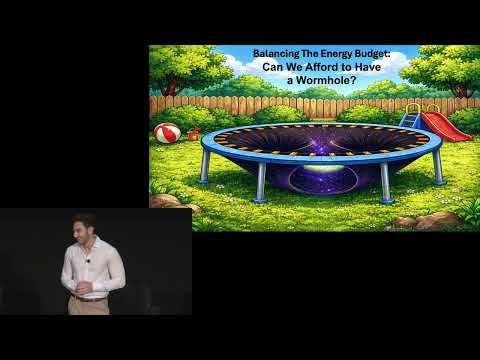
This research investigates whether ordinary matter can generate enough negative energy to keep a wormhole open. Combining theoretical calculations with computer simulations, it finds that nature tightly limits negative energy, making traversable wormholes unlikely. The work highlights how science tests imaginative ideas through rigorous mathematics and physical laws.