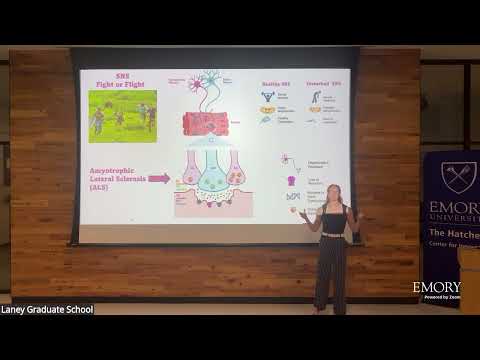
This research shows that the sympathetic nervous system is disrupted at the earliest stages of ALS, despite sympathetic neurons themselves remaining intact. Early loss of signalling receptors may contribute to muscle degeneration and disease progression, identifying new opportunities for earlier diagnosis and therapies that preserve muscle function and improve patient outcomes.
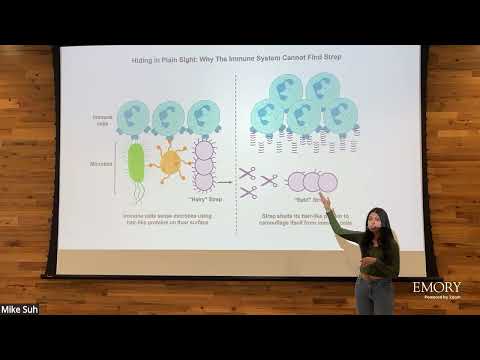
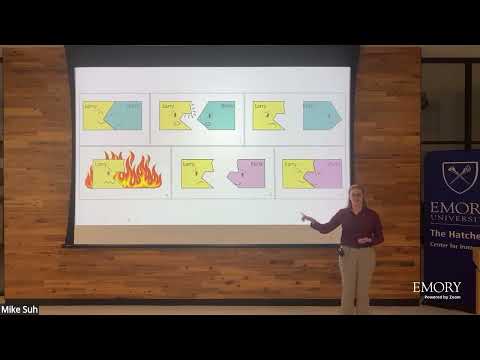
This research reveals how Streptococcus evades immune attack by shedding its hair-like surface proteins, distracting immune cells while provoking excessive immune activation. The findings provide a new explanation for how recurrent strep infections can trigger autoimmune diseases and suggest treatments should target both the bacteria and the immune response.
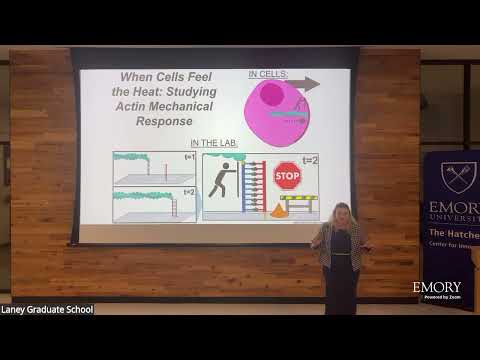
This research investigates how mechanical forces regulate cell movement using a novel DNA-based force probe. By measuring the force required to halt actin growth, it provides new insights into the mechanics of cell migration. The findings could ultimately help develop strategies to prevent cancer metastasis by controlling tumour cell movement.
This research investigates how antiviral drug resistance develops by examining structural changes in viral proteins. Using protein crystallography, it identified why SARS-CoV-2 mutations prevent Paxlovid binding and discovered two compounds capable of inhibiting resistant viruses. The findings could guide development of more effective antivirals against future drug-resistant viral infections.
This research investigates a new targeted treatment strategy for kidney cancer by inhibiting the cancer-promoting protein PIM1 while enhancing TRAIL-mediated apoptosis. Together with the FDA-approved drug ONC201, this combination restores cancer cells' ability to self-destruct, offering a promising therapeutic approach now being evaluated in preclinical studies.
This research introduces the first simple mathematical model capable of capturing the cooperative folding of alpha helices, a fundamental protein structure. By revealing how these proteins fold, stabilize, and misfold, the model offers new insights into diseases such as Alzheimer's and Parkinson's while providing a fast, flexible platform for protein research.
This research engineers DNA-modified exosomes to deliver drugs precisely to cancer cells while avoiding healthy tissue. By disguising natural cell-targeting signals and adding programmable DNA targeting molecules, the platform could reduce treatment side effects and provide a modular delivery system adaptable to many cancers and other diseases.
This research investigates how Pseudomonas aeruginosa adapts to drinking water systems before causing human infections. By identifying a previously unknown gene essential for biofilm formation and survival, the work provides new insight into how dangerous bacteria prepare for infection and reveals potential targets for preventing disease before it develops.
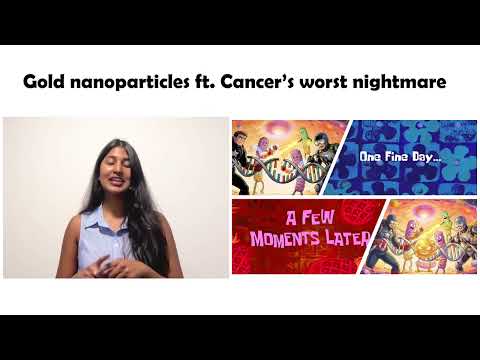
This research develops gold nanoparticles coated with peptides to block DNA repair in colorectal cancer cells, helping overcome drug resistance. Laboratory studies show the treatment dramatically reduces cancer cell survival after radiation while minimising toxicity. The approach could provide a safer, more effective therapy for colorectal cancer and other drug-resistant cancers.
This research investigates salivary gland damage caused by radiation therapy, disease and ageing. Focusing on cellular regulation, she identifies XBP1 as a key “manager” maintaining gland structure, cell survival and saliva production. Understanding this mechanism could guide future therapies for patients living with painful, incurable salivary gland dysfunction.
Pagination
- Page 1
- Next page