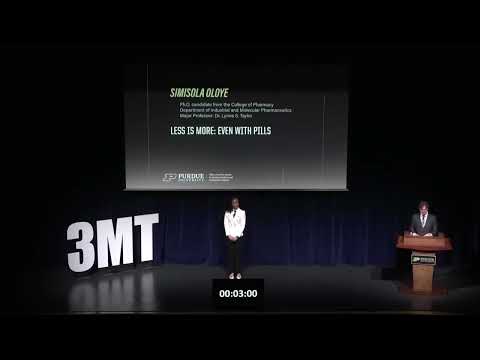
This research improves drug formulations by developing predictive tools for amorphous solid dispersions that increase drug solubility while allowing higher drug loading in a single tablet. The work aims to reduce pill burden, improve medication adherence, lower pharmaceutical development costs, and make treatments more effective for patients with chronic illnesses.

This research seeks blood-based biomarkers that predict which people infected with Chagas disease will later develop life-threatening cardiomyopathy. By analysing immune proteins in blood samples from Bolivia, it aims to enable earlier diagnosis, targeted monitoring, and preventative treatment, offering a model for predicting and preventing many chronic diseases before irreversible damage occurs.

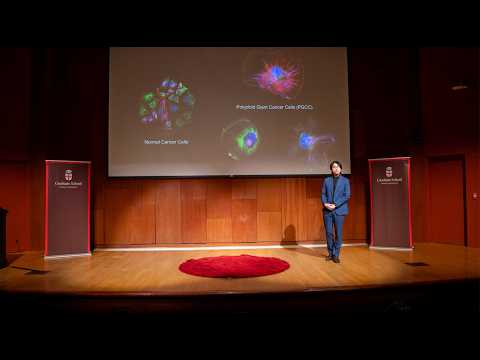
This research investigates polyploid giant cancer cells, a highly treatment-resistant population responsible for cancer relapse. By studying their structural biology and dependence on lipid metabolism, the work identifies metabolic vulnerabilities that can be targeted alongside chemotherapy, offering a promising strategy to eliminate resistant cancer cells and improve long-term treatment outcomes.

This research explores how early-life stress alters the gut microbiome and its communication with the brain, challenging the traditional "leaky gut" theory of anxiety. Using a comprehensive, lifespan-wide approach, it identifies a potential new mechanism that could enable more personalized treatments for patients who do not respond to current anxiety therapies.

This research identifies UCH-L1 as a promising blood biomarker directly linked to human eggs, offering a new way to measure ovarian reserve. A simple blood test could improve fertility assessment, detect premature ovarian aging earlier, and provide valuable insights into broader aspects of women's health, including cardiovascular health, cognitive aging, and longevity.

This research investigates how bacterial biofilms alter the mechanical properties of infected skin to improve microneedle-based drug delivery. By measuring tissue stiffness, structural integrity, and puncture resistance, it provides the evidence needed to design microneedles that can effectively penetrate biofilms, deliver antibiotics directly, and improve treatment of chronic wound infections.

This research develops gold nanoparticles coated with peptides to block DNA repair in colorectal cancer cells, helping overcome drug resistance. Laboratory studies show the treatment dramatically reduces cancer cell survival after radiation while minimising toxicity. The approach could provide a safer, more effective therapy for colorectal cancer and other drug-resistant cancers.