This research develops a method to deliver EGCG, a green tea compound known to break apart Alzheimer's-related protein tangles, into the brain. By chemically attaching EGCG to a carrier that can cross the brain's protective barrier, the project aims to create a potential therapeutic strategy for slowing memory loss and disease progression.

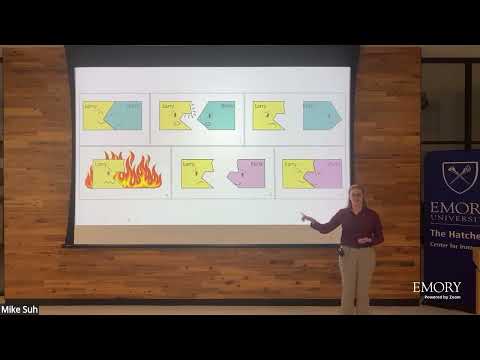
This research investigates how cells select which protein fragments, or peptides, to display to the immune system. Contrary to previous assumptions, peptide presentation appears highly curated rather than random. Understanding these selection rules could improve cancer immunotherapy, enhance antiviral treatments, and provide new insights into autoimmune diseases.

This research investigates how the olfactory system of the Spanish ribbed newt adapts between aquatic and terrestrial environments. By analyzing cellular and genetic changes in the nose, the study reveals remarkable sensory plasticity, offering broader insights into nervous system flexibility and potential implications for understanding neurodegenerative diseases such as dementia.

This research investigates how Melatonin regulates sleep using zebrafish models. The work identifies the MT1 receptor as essential for melatonin-induced sleep and suggests melatonin may reduce responsiveness to visual stimuli during sleep, helping explain how the brain increases arousal thresholds and maintains nighttime sleep states.

This research applies large language models to decode and design proteins by treating amino acid sequences as biological languages. By identifying hidden structural and functional patterns across massive protein datasets, the work enables creation of novel proteins for medicine, cancer therapy, carbon capture, and environmental remediation beyond naturally evolved biological systems.

This research develops engineered ultrasonic reporters that allow ultrasound imaging to detect molecular activity rather than only anatomical structure. By targeting biological signals associated with cancer progression and cellular communication, the work aims to distinguish aggressive disease earlier and improve precision medicine through real-time, noninvasive monitoring of underlying cellular behavior.

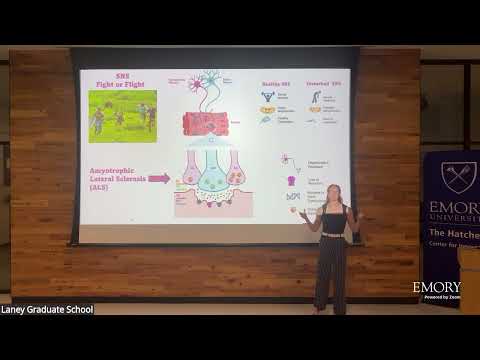
This research investigates whether activation of the sympathetic nervous system can enhance tissue regeneration. Using engineered neural switches in mice, the study demonstrated improved healing after ear injury, including growth of nerves, blood vessels, and cartilage. The findings suggest that nervous system regulation may play an important role in future regenerative medicine therapies.