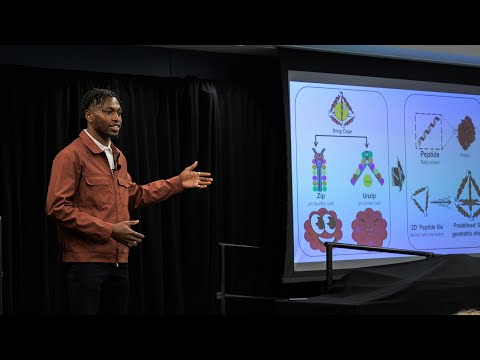
This research engineers peptide-based "drug cages" that assemble like molecular zippers to deliver medicines only at their intended target. Inspired by natural protein structures, these programmable nanostructures could dramatically reduce chemotherapy side effects by releasing drugs precisely where needed, improving treatment effectiveness while protecting healthy tissues.

2025
This research develops a method to deliver EGCG, a green tea compound known to break apart Alzheimer's-related protein tangles, into the brain. By chemically attaching EGCG to a carrier that can cross the brain's protective barrier, the project aims to create a potential therapeutic strategy for slowing memory loss and disease progression.
2026
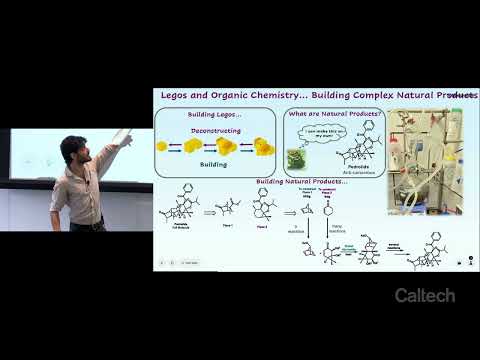
This research focuses on the total synthesis of natural products, biologically important molecules produced by nature. Using pedrolide, an anticancer compound, as a case study, the work applies strategic molecular “deconstruction” to identify simple building blocks and develop laboratory methods for assembling complex natural molecules through innovative organic chemistry.