
This research engineers DNA-modified exosomes to deliver drugs precisely to cancer cells while avoiding healthy tissue. By disguising natural cell-targeting signals and adding programmable DNA targeting molecules, the platform could reduce treatment side effects and provide a modular delivery system adaptable to many cancers and other diseases.
2025
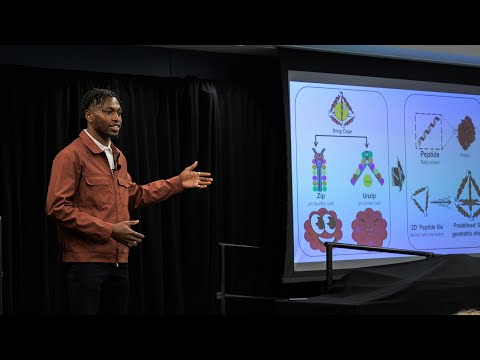
This research engineers peptide-based "drug cages" that assemble like molecular zippers to deliver medicines only at their intended target. Inspired by natural protein structures, these programmable nanostructures could dramatically reduce chemotherapy side effects by releasing drugs precisely where needed, improving treatment effectiveness while protecting healthy tissues.

This research develops orally administered nanoparticle therapies for metronomic chemotherapy in ovarian cancer. By delivering smaller drug doses directly to tumours over extended periods, it aims to reduce side effects, overcome drug resistance, improve patient quality of life, and make long-term cancer treatment easier and more effective.
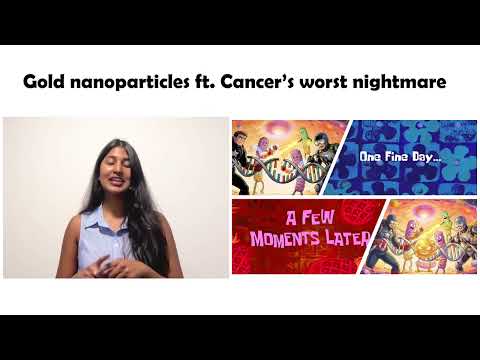
This research develops gold nanoparticles coated with peptides to block DNA repair in colorectal cancer cells, helping overcome drug resistance. Laboratory studies show the treatment dramatically reduces cancer cell survival after radiation while minimising toxicity. The approach could provide a safer, more effective therapy for colorectal cancer and other drug-resistant cancers.

This thesis examines cytokine release storm, where the immune system becomes dangerously overactive. Using rat models, mathematical modelling, science and coding, she maps how corticosteroids move through organs and control inflammation. The goal is to optimise treatment for CRS during cancer therapy, COVID or future pandemics.
This research investigates salivary gland damage caused by radiation therapy, disease and ageing. Focusing on cellular regulation, she identifies XBP1 as a key “manager” maintaining gland structure, cell survival and saliva production. Understanding this mechanism could guide future therapies for patients living with painful, incurable salivary gland dysfunction.
2025
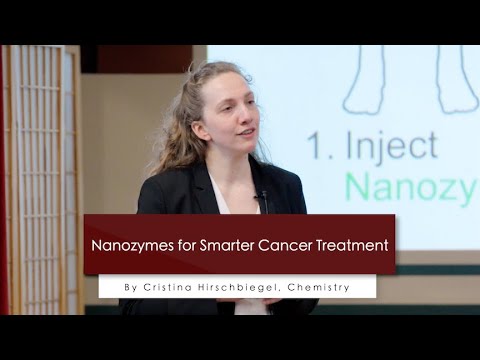
This research develops “nanozymes,” nanoparticle-based catalysts that activate cancer drugs directly at tumor sites. Instead of carrying large amounts of chemotherapy drugs, nanozymes locally trigger inactive drugs into their active form only within cancer tissue. Early mouse studies show effective tumor destruction with significantly reduced side effects compared to conventional chemotherapy.

2025
This research investigates taste alterations experienced by cancer patients during chemotherapy and radiotherapy. Using electrogustometry and flavour profile analysis, the study measures and categorizes changes in taste perception to guide the development of tailored food products that improve nutrition, comfort, and quality of life for people undergoing cancer treatment.

This research investigates how melanoma switches between two gene states—one fast-growing and treatable, the other slow but highly invasive and responsible for brain metastases. By identifying genes that control this transition, the study aims to force melanoma into a more treatable form, improving therapeutic options and patient outcomes.
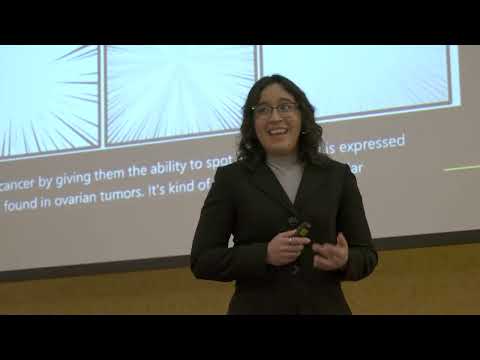
This research engineers immune T cells to better fight ovarian cancer. By modifying them to recognize tumor-specific proteins and resist cancer’s suppressive signals, the project strengthens the body’s natural defenses. The goal is to improve immunotherapy effectiveness, overcome tumor resistance, and increase survival rates for women facing this deadly disease.