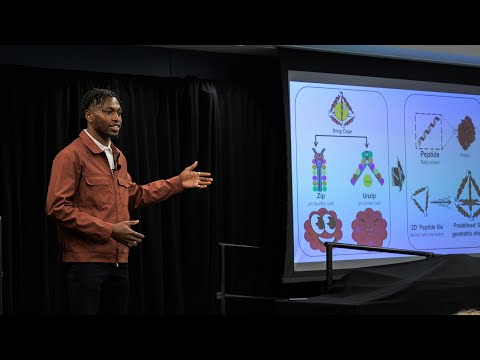
This research engineers peptide-based "drug cages" that assemble like molecular zippers to deliver medicines only at their intended target. Inspired by natural protein structures, these programmable nanostructures could dramatically reduce chemotherapy side effects by releasing drugs precisely where needed, improving treatment effectiveness while protecting healthy tissues.
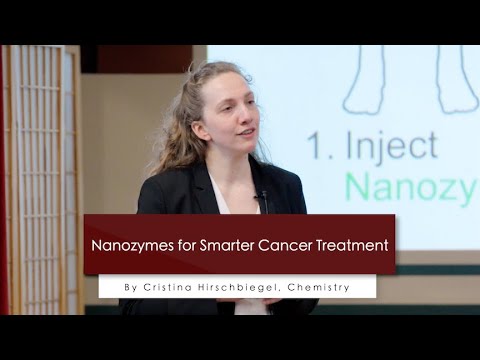
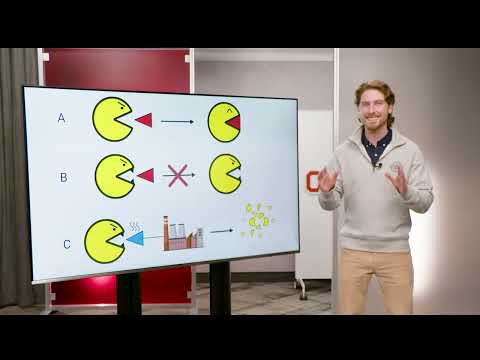
This research develops “nanozymes,” nanoparticle-based catalysts that activate cancer drugs directly at tumor sites. Instead of carrying large amounts of chemotherapy drugs, nanozymes locally trigger inactive drugs into their active form only within cancer tissue. Early mouse studies show effective tumor destruction with significantly reduced side effects compared to conventional chemotherapy.

This research targets chronic lymphocytic leukemia relapse by focusing on Bruton’s Tyrosine Kinase (BTK), a key cancer-driving protein that often mutates and becomes drug-resistant. Using “molecular glues,” the project aims to degrade BTK—even when mutated—offering a new therapeutic strategy that could overcome resistance and improve outcomes for (chronic lymphocytic leukemia) CLL and other BTK-dependent cancers.