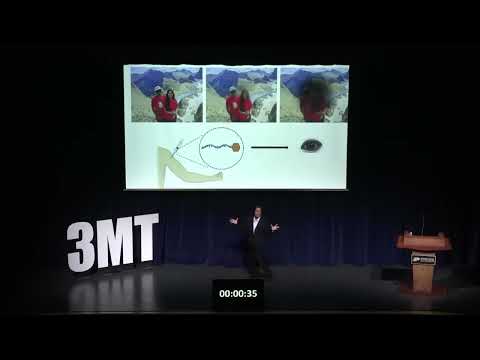
This research develops a targeted anti-VEGF therapy for wet age-related macular degeneration that can be injected under the skin rather than directly into the eye. In animal studies, the drug successfully reached the eye and reduced abnormal blood vessel growth, offering a safer, cheaper, and more convenient treatment for preventing blindness.
2025
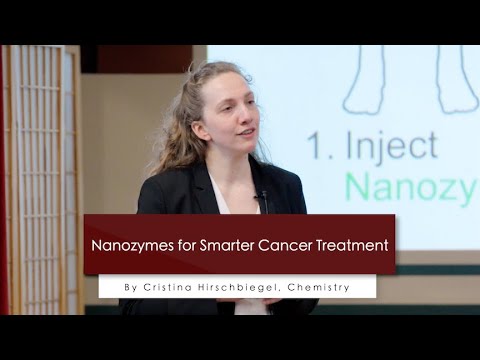
This research develops “nanozymes,” nanoparticle-based catalysts that activate cancer drugs directly at tumor sites. Instead of carrying large amounts of chemotherapy drugs, nanozymes locally trigger inactive drugs into their active form only within cancer tissue. Early mouse studies show effective tumor destruction with significantly reduced side effects compared to conventional chemotherapy.
2026
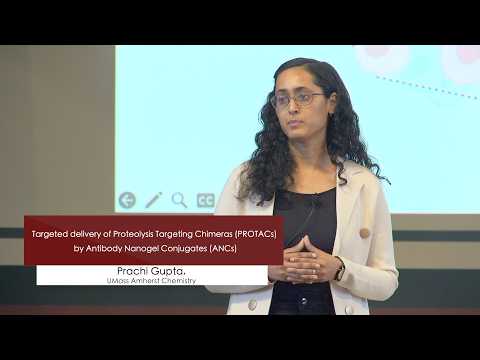
This research develops nanoscale “smart package” delivery systems for PROTAC cancer drugs. Antibody nanogel conjugates selectively target cancer cells, enter them, and release therapeutic molecules while minimizing exposure to healthy tissue. The approach improves delivery efficiency and aims to reduce the severe side effects that often limit cancer treatment.
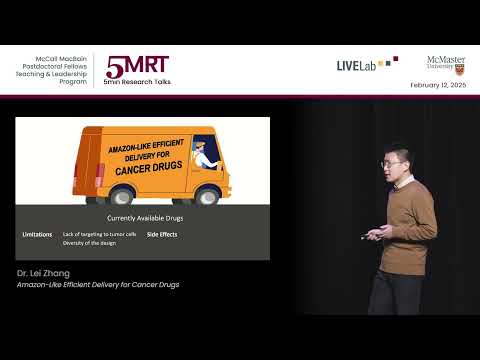
This research develops peptide-based drug delivery systems to improve cancer treatment targeting. Unlike conventional therapies, peptides can selectively bind tumors, reducing systemic side effects. Using AI to design high-affinity sequences, the system enhances precision delivery and efficacy, demonstrated by reduced tumor growth in vivo compared to non-targeted treatments.
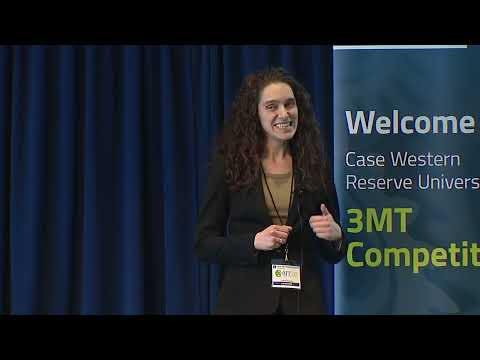
Genetic cardiomyopathies arise from DNA errors that disrupt vital heart proteins and can be fatal in childhood. This research improves heart-targeted gene therapy by guiding treatments through the bloodstream using chemokine “traffic signals” and avoiding immune interference, enabling therapies to reach the heart more efficiently and potentially cure inherited heart disease.