2025
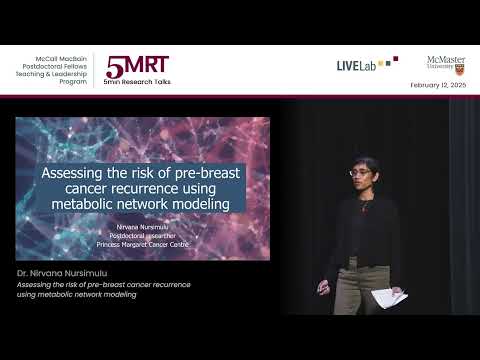
This research investigates metabolic differences in ductal carcinoma in situ (DCIS) to predict breast cancer recurrence. Using gene expression data and computational modeling, it identifies increased fatty acid synthesis as a potential biomarker of recurrence. The work aims to improve risk prediction and personalize prevention strategies across diverse patient populations.