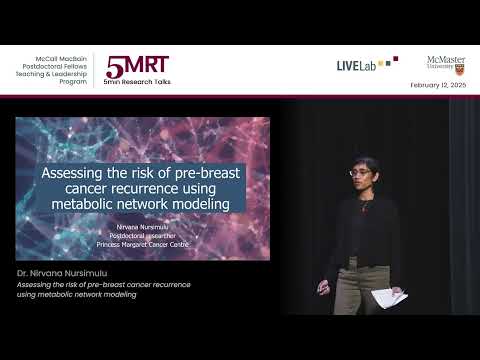
This research investigates metabolic differences in ductal carcinoma in situ (DCIS) to predict breast cancer recurrence. Using gene expression data and computational modeling, it identifies increased fatty acid synthesis as a potential biomarker of recurrence. The work aims to improve risk prediction and personalize prevention strategies across diverse patient populations.
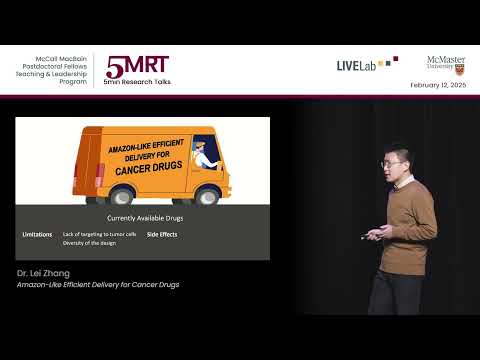
This research develops peptide-based drug delivery systems to improve cancer treatment targeting. Unlike conventional therapies, peptides can selectively bind tumors, reducing systemic side effects. Using AI to design high-affinity sequences, the system enhances precision delivery and efficacy, demonstrated by reduced tumor growth in vivo compared to non-targeted treatments.

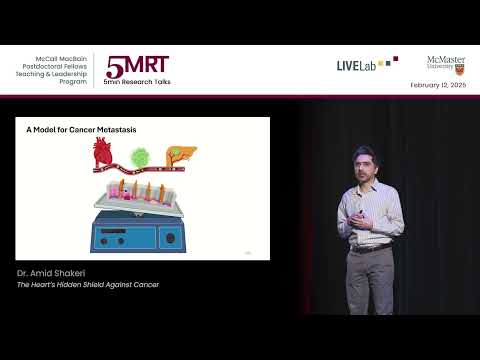
This research investigates why cancer rarely metastasizes to the heart using a microfluidic organ-on-chip model. By comparing cancer cell migration across tissues, it finds reduced spread in the presence of heart tissue, potentially due to inhibitory proteins. The work aims to uncover mechanisms that could inspire new anti-metastatic therapies.

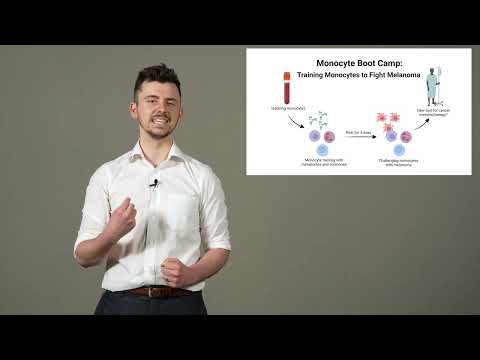
Cancer cells can suppress immune responses, limiting the long-term effectiveness of immunotherapy. This research shows that monocytes—key immune cells—can be “trained” using metabolites to become more effective at attacking cancer. Understanding and harnessing this trained immunity could improve immunotherapy outcomes and help predict which patients benefit most from treatment.

Pancreatic ductal adenocarcinoma resists immunotherapy by building an immune-suppressive tumor fortress. This research explores how specific bacteria found in long-term survivors may reshape the tumor microenvironment, enhance immune checkpoint therapy, and help immune cells overcome suppression to attack pancreatic cancer more effectively.