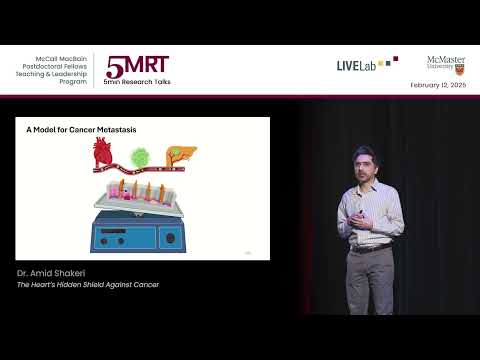
This research investigates why cancer rarely metastasizes to the heart using a microfluidic organ-on-chip model. By comparing cancer cell migration across tissues, it finds reduced spread in the presence of heart tissue, potentially due to inhibitory proteins. The work aims to uncover mechanisms that could inspire new anti-metastatic therapies.

Cell therapy has cured some blood cancers but remains ineffective for most solid tumors and is extremely expensive. Tumor environments exhaust immune cells by depriving them of energy. This research develops metabolic support strategies that enhance immune cell function, improve therapy effectiveness, and potentially reduce costs in cancer immunotherapy.