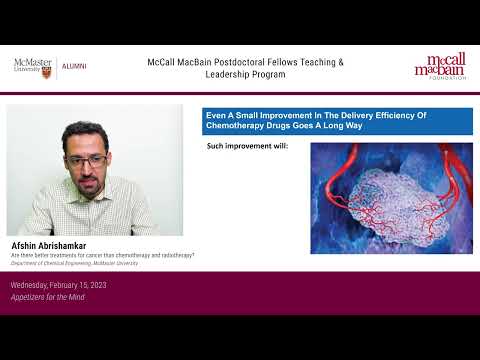
his talk outlines the scale of cancer in Canada and argues that traditional chemotherapy, while important, is limited by toxicity, discomfort, and poor tumor targeting. It highlights promising newer approaches including nanoparticle drug delivery, liposomal therapies, complex nanotherapies with imaging and heat generation, and future possibilities such as cancer vaccines.

Cell therapy has cured some blood cancers but remains ineffective for most solid tumors and is extremely expensive. Tumor environments exhaust immune cells by depriving them of energy. This research develops metabolic support strategies that enhance immune cell function, improve therapy effectiveness, and potentially reduce costs in cancer immunotherapy.

Uterine cancer deaths continue to rise despite advances in other cancers. Many patients who cannot undergo surgery rely on progestin therapy, which often fails. This research tests dozens of progestins on patient tumor and immune cells, identifying five more effective candidates. The goal is safer, personalised, fertility-preserving treatment for women with uterine cancer.