This research investigates macrophages, immune cells that regulate infection, tissue repair, and cancer responses. Through laboratory experiments and machine-learning models, it aims to predict macrophage function across different diseases and patients. The work could improve prognosis, guide treatments, evaluate drug safety, and forecast recovery following major illnesses and injuries.
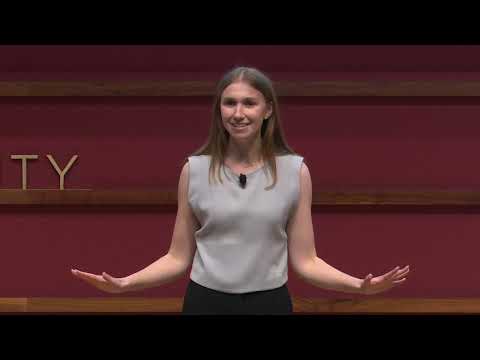
This research investigates how cells select which protein fragments, or peptides, to display to the immune system. Contrary to previous assumptions, peptide presentation appears highly curated rather than random. Understanding these selection rules could improve cancer immunotherapy, enhance antiviral treatments, and provide new insights into autoimmune diseases.

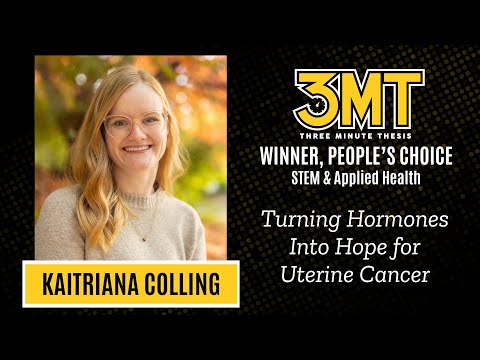
Uterine cancer deaths continue to rise despite advances in other cancers. Many patients who cannot undergo surgery rely on progestin therapy, which often fails. This research tests dozens of progestins on patient tumor and immune cells, identifying five more effective candidates. The goal is safer, personalised, fertility-preserving treatment for women with uterine cancer.

My research investigates tiny particles released by metastatic cancer cells—messengers that help cancer hide from the immune system. By capturing and analysing these particles, the study aims to uncover how they evade detection and to develop new strategies that “teach” the immune system to recognise and neutralise them, leading to safer, more effective cancer therapies.

This research investigates a novel two-drug therapy for ovarian cancer that kills cancer cells without harming healthy tissues and partially reactivates the suppressed immune system. The PhD work explores how this immune “reawakening” occurs, aiming to identify new strategies to enhance it and create more effective, resistance-proof treatments.