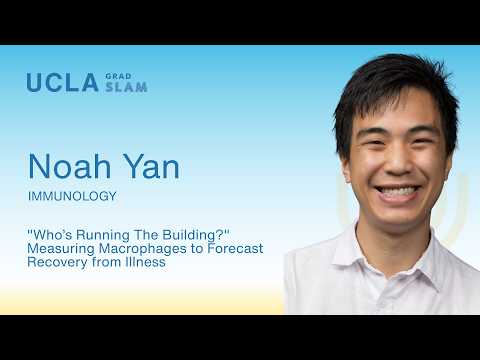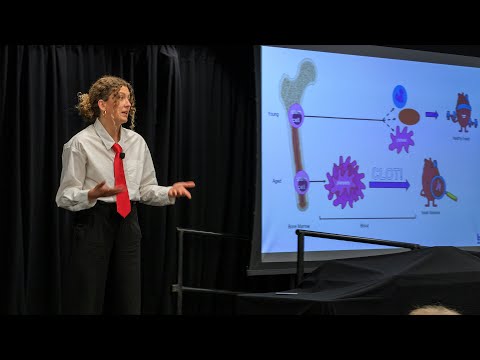
This research investigates macrophages, immune cells that regulate infection, tissue repair, and cancer responses. Through laboratory experiments and machine-learning models, it aims to predict macrophage function across different diseases and patients. The work could improve prognosis, guide treatments, evaluate drug safety, and forecast recovery following major illnesses and injuries.

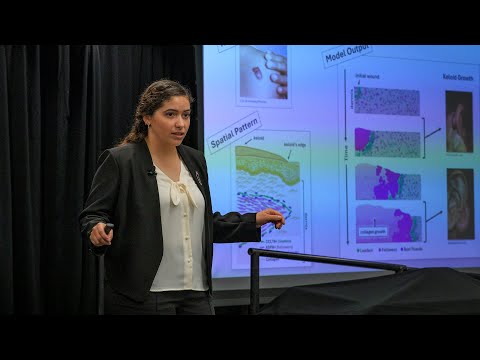
This research investigates whether activation of the sympathetic nervous system can enhance tissue regeneration. Using engineered neural switches in mice, the study demonstrated improved healing after ear injury, including growth of nerves, blood vessels, and cartilage. The findings suggest that nervous system regulation may play an important role in future regenerative medicine therapies.

This research investigates whether regeneration can be induced in animals that normally lack regenerative abilities. Using nutrient factors such as amino acids and insulin, regeneration was stimulated in mice, jellyfish, and fruit flies. The findings reveal that regeneration is a coordinated whole-body process involving energy allocation, organ remodeling, and conserved nutrient signaling pathways.

Despite major advances in medicine, wound care has changed little in a century. This research explores how natural electrical signals in injured skin guide healing. By developing devices that mimic these signals, scientists aim to accelerate recovery and improve treatment for chronic wounds through bioelectric control of cellular behaviour.

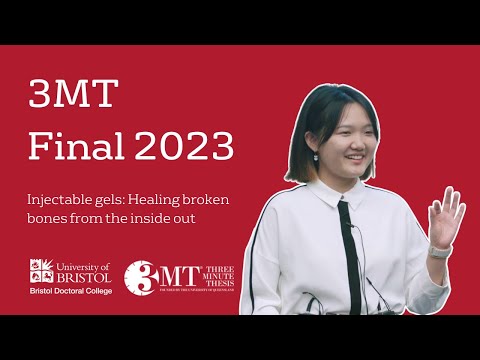
This research develops injectable, enzyme-coated gel beads to treat bone fractures non-invasively. Using lab-on-a-chip technology, the beads trigger clot formation at injury sites, supporting natural healing while providing structural stability. This approach could reduce reliance on surgery, improve recovery outcomes, and address non-healing fractures affecting millions annually.

This research improves the safety of stem cell–derived heart cell therapy for heart failure by engineering a drug-controlled genetic safety switch. The approach prevents dangerous post-transplant arrhythmias while allowing transplanted cells to mature and synchronize with the heart, advancing regenerative alternatives to full heart transplantation.

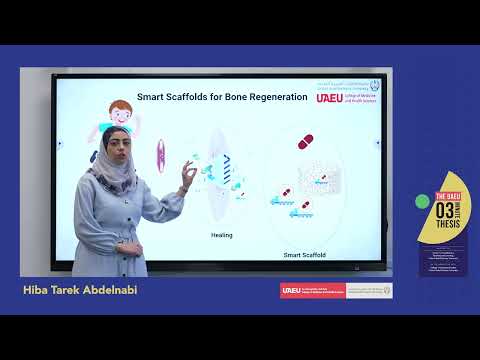
This research develops smart, biodegradable bone scaffolds that guide regeneration in severe fractures. By delivering healing molecules directly to damaged tissue, the scaffolds promote stronger bone growth, reduce inflammation, and eliminate the need for repeated surgeries, enabling faster and more natural recovery in children.

Myelin enables efficient communication between nerve cells and is essential for cognition, movement, and sensation. In neurodegenerative diseases, myelin is lost, impairing daily life. This research uses stem cells, gene profiling, and gene editing to uncover why myelin fails—and how regenerating it could transform treatment.

This research explores how tissue-resident macrophages guide immature heart muscle cells during early development. By identifying immune signals that enable scar-free heart regeneration in newborns, the work aims to uncover therapeutic pathways that could restore regenerative capacity and improve outcomes for patients with heart disease.