This research presents an anti-inflammatory surgical gel that actively reprograms the immune response at the injury site. Rather than masking symptoms, it promotes proper healing, reduces prolonged inflammation, and improves recovery—especially for patients with delayed healing, such as those with diabetes—aligning biomaterials with modern surgical precision.

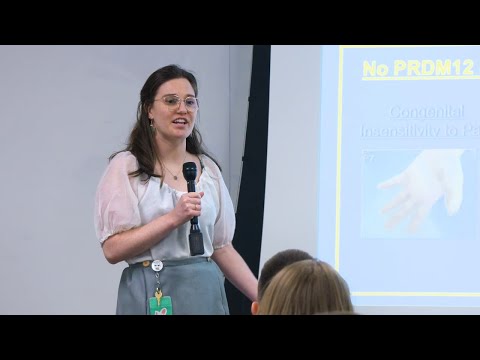
Pain-sensing neurons require the gene PRDM12 not only to develop, but also to maintain their identity in adulthood. Removing PRDM12 causes neurons to express mixed identities, disrupting function. Understanding how neuron identity is preserved may enable regeneration of pain-sensing neurons and lead to new, non-addictive pain treatments.

Corneal scarring causes widespread vision loss and is poorly treated by transplantation alone. This research develops a bioengineered corneal glue that both seals and heals wounds by promoting cell infiltration and reducing fibrosis. The approach enables scar-free healing, lowers transplant rejection risk, and offers a regenerative alternative to sutures and conventional sealants.

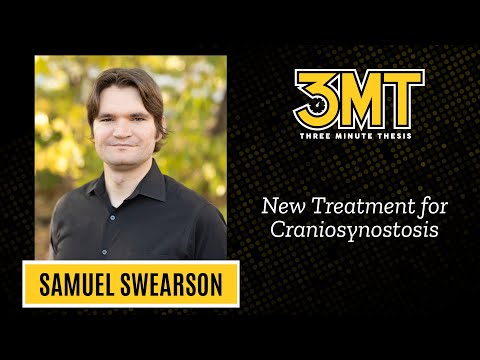
Craniosynostosis occurs when skull sutures fuse too early, requiring risky surgeries. The researcher identified microRNA-200A as a key regulator of suture development. In mice lacking miR-200A, sutures fused prematurely, but adding extra miR-200A via gene therapy prevented fusion entirely. This breakthrough suggests a non-surgical future treatment for craniosynostosis.

This research transforms natural silk fibers into biodegradable “silk paper” membranes that support bone regeneration for dental implants. Unlike titanium meshes, silk papers dissolve in the body, eliminating the need for a second surgery. They support human cell growth, reduce costs, and promise safer, more accessible dental and medical treatments.

Type 1 diabetes destroys insulin-producing cells, leaving patients dependent on lifelong injections. Islet transplants could provide freedom, but most cells die quickly. This research uses drug-loaded microparticles that protect transplanted islets, boosting survival, insulin production, and diabetes reversal. The approach could cut costs, reduce donor needs, and transform treatment for multiple diseases.

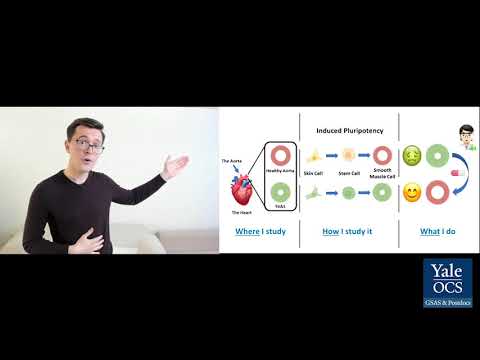
SVAS (Supravalvular Aortic Stenosis) is a rare condition where the aorta loses elasticity, causing dangerous thickening and narrowing. Using stem-cell technology, the researcher converts skin cells into aortic smooth muscle cells to study the disease and test treatments. A promising compound restores elasticity-related structures, offering hope for future therapies and broader disease modelling.