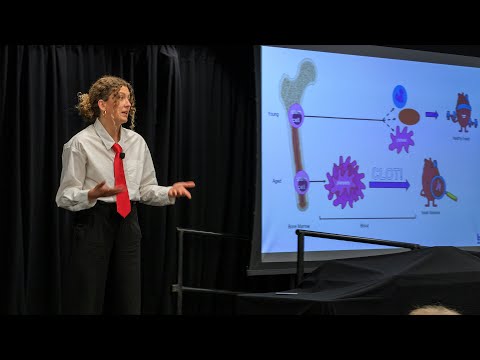
This research investigates how aging changes blood stem cells, causing them to produce excess sticky platelets that increase the risk of heart attack and stroke. By identifying the genetic mechanisms behind this age-related shortcut, the work aims to develop therapies that reduce cardiovascular disease while improving healing in patients with low platelet counts.
This research develops 3D-printed hydroxyapatite scaffolds that actively stimulate bone regeneration. Unlike traditional bone grafts, these synthetic scaffolds recruit stem cells and encourage new bone formation. Animal studies show promising healing results, raising the possibility of personalised, patient-specific implants that improve recovery from severe bone injuries and defects.
This research investigates how glutamine-rich regions within the LAG-3 protein influence Notch signaling, a critical pathway for cell communication and development. Using CRISPR gene editing, the study found that removing glutamine repeats alters stem cell behavior and cell-cycle progression, providing insights relevant to cancer, Alzheimer’s disease, and future therapies.
This thesis developed multifunctional 3D-printed scaffolds for repairing critical-size mandibular bone defects. Using bioactive ceramics, surface coatings, and prevascularization strategies, it promoted both osteogenesis and angiogenesis. Results show that combining geometry, materials, and biological signals enables synergistic tissue regeneration, offering less-invasive alternatives to autologous bone grafts.
Myelin enables efficient communication between nerve cells and is essential for cognition, movement, and sensation. In neurodegenerative diseases, myelin is lost, impairing daily life. This research uses stem cells, gene profiling, and gene editing to uncover why myelin fails—and how regenerating it could transform treatment.
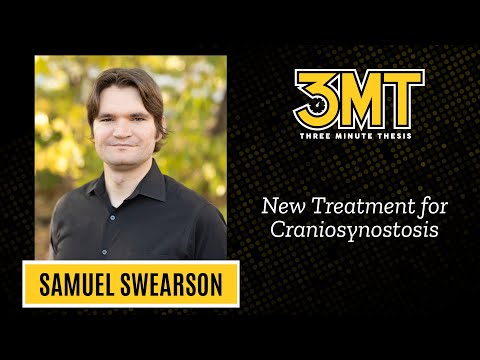
Craniosynostosis occurs when skull sutures fuse too early, requiring risky surgeries. The researcher identified microRNA-200A as a key regulator of suture development. In mice lacking miR-200A, sutures fused prematurely, but adding extra miR-200A via gene therapy prevented fusion entirely. This breakthrough suggests a non-surgical future treatment for craniosynostosis.
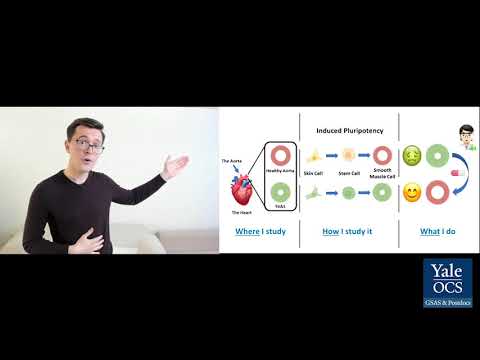
SVAS (Supravalvular Aortic Stenosis) is a rare condition where the aorta loses elasticity, causing dangerous thickening and narrowing. Using stem-cell technology, the researcher converts skin cells into aortic smooth muscle cells to study the disease and test treatments. A promising compound restores elasticity-related structures, offering hope for future therapies and broader disease modelling.