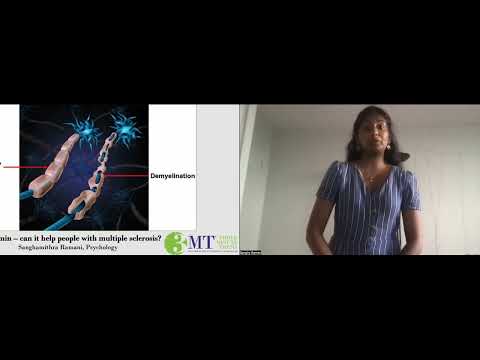
This research examines whether metformin, a common diabetes drug, can improve social cognition in individuals with multiple sclerosis by promoting remyelination. Since MS damages nerve insulation, affecting brain function, the study explores whether treating co-occurring diabetes can reduce inflammation and symptoms, potentially leading to new regenerative therapies and improved quality of life.

Myelin enables efficient communication between nerve cells and is essential for cognition, movement, and sensation. In neurodegenerative diseases, myelin is lost, impairing daily life. This research uses stem cells, gene profiling, and gene editing to uncover why myelin fails—and how regenerating it could transform treatment.

This research examines how multiple sclerosis disrupts meaning and identity beyond physical symptoms. A nurse-led, group-based intervention helps people with MS rebuild purpose and quality of life. By targeting meaning alongside medical treatment, the project addresses the often-overlooked psychological impact of chronic illness and offers a scalable model for holistic care.