This research seeks blood-based biomarkers that predict which people infected with Chagas disease will later develop life-threatening cardiomyopathy. By analysing immune proteins in blood samples from Bolivia, it aims to enable earlier diagnosis, targeted monitoring, and preventative treatment, offering a model for predicting and preventing many chronic diseases before irreversible damage occurs.

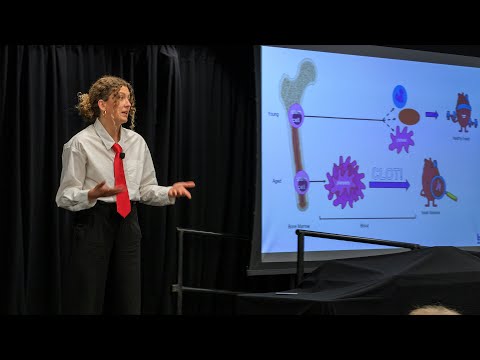
This research investigates how aging changes blood stem cells, causing them to produce excess sticky platelets that increase the risk of heart attack and stroke. By identifying the genetic mechanisms behind this age-related shortcut, the work aims to develop therapies that reduce cardiovascular disease while improving healing in patients with low platelet counts.

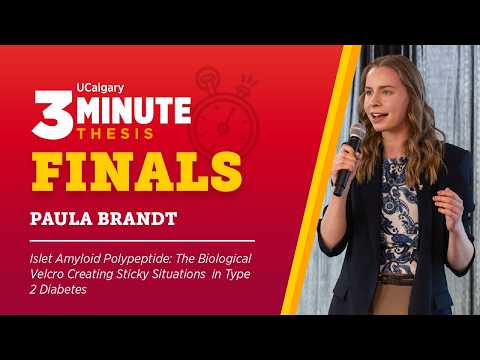
This research investigates how misfolded Islet Amyloid Polypeptide (IAPP), a protein associated with Type 2 diabetes, affects blood clot formation. Laboratory experiments showed that misfolded IAPP creates unusually dense and resilient clots. These findings may help explain elevated cardiovascular risk in diabetes and identify new targets for preventing heart attacks and strokes.

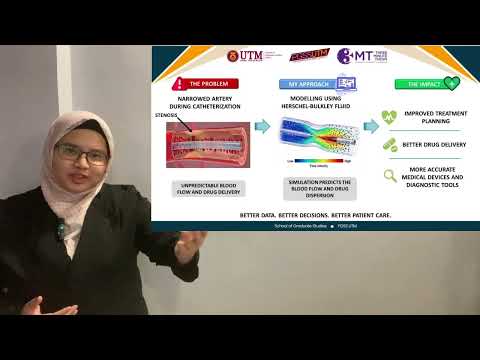
This research models blood flow in narrowed arteries and during catheterization using the Herschel–Bulkley fluid model. By simulating flow and drug dispersion, it identifies factors affecting unpredictability. These insights enable optimized treatments, improved medical device design, and better visualization for clinicians, ultimately enhancing safety and outcomes in cardiovascular care.

This research improves the safety of stem cell–derived heart cell therapy for heart failure by engineering a drug-controlled genetic safety switch. The approach prevents dangerous post-transplant arrhythmias while allowing transplanted cells to mature and synchronize with the heart, advancing regenerative alternatives to full heart transplantation.

This research examines how “sitting is the new smoking” headlines affect people with spinal cord injury. Interviews revealed these messages are harmful and exclusionary. Reframing sedentary behavior as low energy expenditure, rather than sitting itself, improves understanding. The work promotes inclusive, evidence-based public health communication.

This research shows that doxorubicin disrupts immune signaling between the spleen and heart, priming inflammatory cells that worsen cardiac damage when hypertension develops later in life. Using a two-hit mouse model, the work reveals a heart–spleen axis and identifies immune cells as targets to protect childhood cancer survivors from heart failure.

Heart failure causes major suffering, high mortality, and escalating healthcare costs. This research identifies what people with heart failure and their carers need from home-based supportive care, including nurse-led support, better communication, and coordinated services. By defining and prioritising key recommendations, the project aims to guide policy toward improving quality of life and reducing hospitalisations.

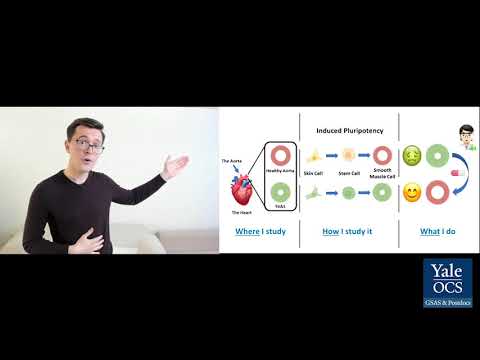
SVAS (Supravalvular Aortic Stenosis) is a rare condition where the aorta loses elasticity, causing dangerous thickening and narrowing. Using stem-cell technology, the researcher converts skin cells into aortic smooth muscle cells to study the disease and test treatments. A promising compound restores elasticity-related structures, offering hope for future therapies and broader disease modelling.

This research tests the safety of a new hypertension drug designed for patients who don’t respond to current medications. Through four phases of pre-clinical toxicology studies in cells and mice, the drug showed no major toxicity and effectively lowered blood pressure, supporting its progression toward future human clinical trials.