This research investigates whether replacing meat with fish could improve nutrition while supporting more sustainable diets. Modelling UK and Irish dietary data found that replacing even 25% of meat increased intake of key nutrients, including vitamin D, omega-3, selenium, and iodine, suggesting simple dietary swaps could benefit health and sustainability.
2026
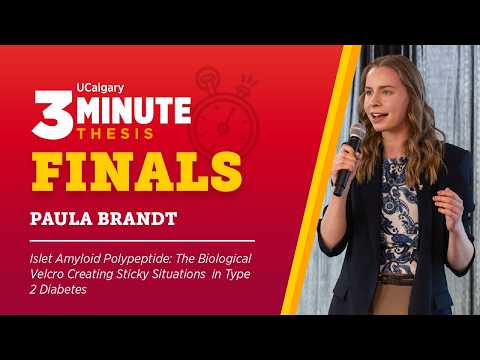
This research investigates how misfolded Islet Amyloid Polypeptide (IAPP), a protein associated with Type 2 diabetes, affects blood clot formation. Laboratory experiments showed that misfolded IAPP creates unusually dense and resilient clots. These findings may help explain elevated cardiovascular risk in diabetes and identify new targets for preventing heart attacks and strokes.

This research investigates how communication between the heart and brain influences cognition and mental health. By studying heart rate variability, vagus nerve activity, and neural oscillations, it reveals a direct effect of heart rhythms on brain function, offering new insights into schizophrenia, mental illness, and body-based therapeutic interventions.

This research investigates the genetic mechanisms underlying polycystic ovary syndrome (PCOS), a condition affecting one in ten women and the leading cause of female infertility. By studying thousands of genetic variants across multiple cell types, the project aims to identify the biological causes of PCOS and develop targeted treatments.

2025
This research investigates oleosomes, natural oil-protecting structures found in plants, as a way to preserve healthy lipids against oxidation. Using walnuts as a model system, the study showed that intact oleosomes dramatically extend lipid stability and shelf life, potentially enabling healthier, more sustainable food products rich in beneficial fats.
2026
This research shows that pulse oximeters are less accurate for darker skin tones due to biased design. By developing sensors that account for skin pigmentation, accuracy improves significantly across populations. The work highlights the need to embed equity into medical device design to ensure fair and reliable healthcare for all.
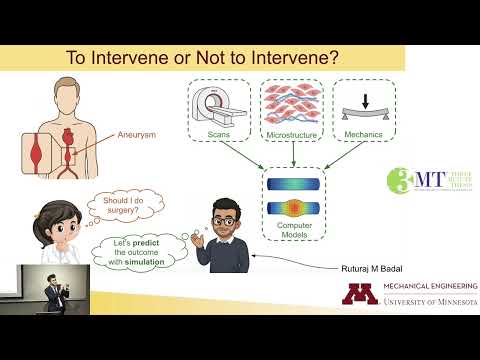
Aneurysms cause hundreds of thousands of deaths each year, yet most never rupture. This research applies vascular mechanics, medical imaging, and multiscale simulations to model how arteries grow and weaken over time. By predicting which aneurysms will burst, it aims to guide safer, patient-specific treatment decisions and prevent fatal outcomes.
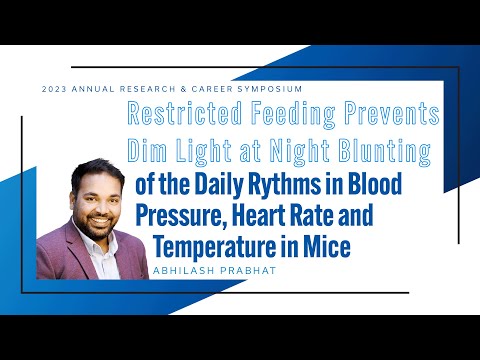
This research shows that artificial light at night disrupts normal cardiovascular rhythms by altering sleep and feeding patterns. In mice, light exposure flattened heart rate and blood pressure cycles, increasing risk. Restricting food intake to active hours restored healthy rhythms, suggesting timing of eating can protect cardiovascular health.
This study tested whether aerobic exercise can protect vascular function during prolonged sitting. Eleven participants completed exercise and non-exercise conditions. Sitting alone reduced blood vessel function, but exercising beforehand prevented this decline for up to three hours. The findings suggest a brief workout may counteract the cardiovascular risks of extended sitting.