This research investigates how cicadas generate extraordinary suction to feed on water inside plant xylem under extreme negative pressure. Using fluid measurements and micro-CT imaging, it uncovers the insect's unique pumping mechanism, offering insights into plant hydraulics while inspiring new designs for miniature medical pumps and microfluidic technologies.
2025
This research investigates the natural biochemical defences that allow some maize plants to resist devastating fungal diseases. Using metabolomics, it identifies protective compounds produced by resistant plants and links them to specific genes. The findings could enable breeders to develop naturally disease-resistant crops, reducing reliance on costly and environmentally harmful fungicides.
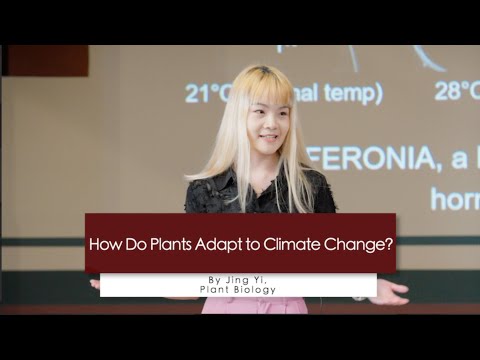
This research investigates feronia, a plant protein essential for heat adaptation. By studying how feronia regulates auxin signaling and plant growth under temperature stress, the work aims to uncover mechanisms that could support the development of heat-resilient crops, improving agricultural productivity and food security in a warming global climate.

2025
This research investigates oleosomes, natural oil-protecting structures found in plants, as a way to preserve healthy lipids against oxidation. Using walnuts as a model system, the study showed that intact oleosomes dramatically extend lipid stability and shelf life, potentially enabling healthier, more sustainable food products rich in beneficial fats.

This research explores endophytes—fungi living symbiotically within plants—that produce bioactive compounds aiding plant defense and growth. These compounds have led to major medical breakthroughs like antibiotics and immunosuppressants. Studying endophytes in crops may uncover new drugs and agricultural benefits, highlighting nature’s vast, largely untapped biochemical potential.
This research investigates genetic resistance in pine trees that survive mountain pine beetle attacks. By identifying protective genes and testing them in fast-growing model plants, it reveals how trees defend themselves. The findings support breeding more resilient forests, helping address large-scale ecological damage and ensuring the future sustainability of Western Canada’s forests.