
This research investigates the genetic mechanisms underlying polycystic ovary syndrome (PCOS), a condition affecting one in ten women and the leading cause of female infertility. By studying thousands of genetic variants across multiple cell types, the project aims to identify the biological causes of PCOS and develop targeted treatments.
2026
This research investigates the protein SLX4, a key coordinator of DNA repair. Using complementary techniques, it identifies 221 interacting proteins, most previously unknown. Findings reveal a complex network involved in genome maintenance, offering new insights into cellular repair mechanisms and improving understanding of diseases such as cancer.

2026
This talk traces the devastation of the Black Death to highlight a modern crisis: antibiotic resistance. Misuse of antibiotics accelerates the rise of superbugs. Using AI and machine learning, the research identifies genetic resistance patterns and guides effective treatments, aiming to improve clinical decisions and prevent a return to a pre-antibiotic era.
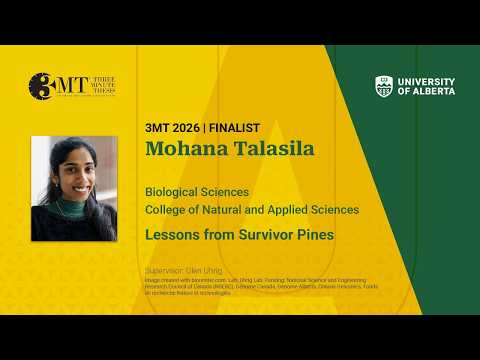
This research investigates genetic resistance in pine trees that survive mountain pine beetle attacks. By identifying protective genes and testing them in fast-growing model plants, it reveals how trees defend themselves. The findings support breeding more resilient forests, helping address large-scale ecological damage and ensuring the future sustainability of Western Canada’s forests.

About 8% of the human genome originates from ancient viruses. This research uses bioinformatics and evolutionary comparisons to understand why viral DNA persists and how cells silence it through DNA methylation. Identifying how genomes separate useful from non-functional DNA helps clarify which genetic elements matter for human health and disease.
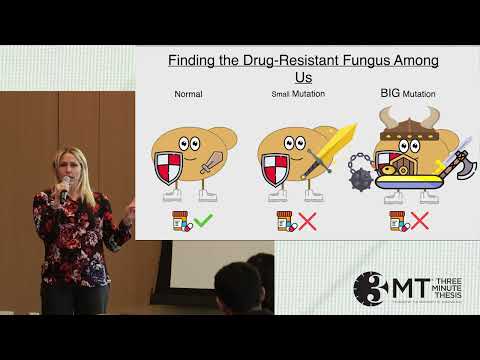
Fungal infections are becoming harder to treat as fungi rapidly evolve resistance to limited antifungal drugs. This research reveals that large, multi-gene mutations—once overlooked—are common in resistant fungi. Understanding these dramatic genetic changes is critical for developing more effective antifungal therapies.
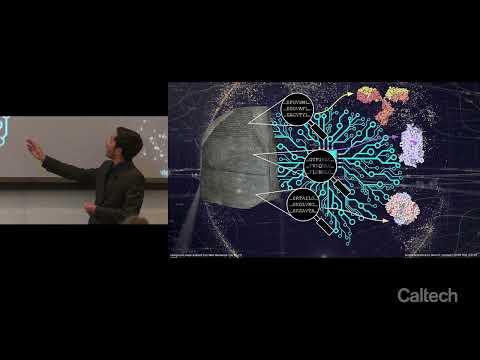
The talk describes using AI language models to decipher the hidden “languages” within millions of natural protein sequences. By learning protein vocabulary, syntax, and grammar, researchers can design new molecules that fight cancer, degrade plastics, capture carbon, and expand biology beyond nature’s rules—advancing medicine, sustainability, and molecular engineering.
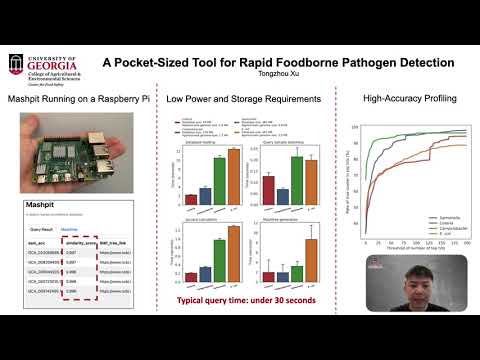
Mashpit is a portable genome-search tool that runs on a Raspberry Pi, enabling rapid, offline screening of Salmonella genomes. Using MinHash sketches, it scans hundreds of thousands of genomes in seconds, offering small or low-resource labs a fast, accessible way to identify related isolates before performing high-resolution follow-up analyses.