
This research investigates how cicadas generate extraordinary suction to feed on water inside plant xylem under extreme negative pressure. Using fluid measurements and micro-CT imaging, it uncovers the insect's unique pumping mechanism, offering insights into plant hydraulics while inspiring new designs for miniature medical pumps and microfluidic technologies.

2026
This research investigates mating behavior in Siamese fighting fish and reveals that visual interaction dramatically increases reproductive success. By studying 203 breeding pairs, the project demonstrates the importance of sight in social and mating behavior, suggesting that betta fish possess more sophisticated visual and individual recognition abilities than previously understood.

2026
This research investigates how differences in butterfly behavior relate to brain evolution and memory. Heliconius butterflies showed superior long-term memory and enlarged mushroom body brain regions compared with related species. The work explores how neurogenesis shapes cognition and may ultimately contribute to understanding memory, brain development, and neurological disorders.

2026
This research examines how social relationships influence the gut microbiome using Rwenzori Angolan colobus monkeys as a model. By combining social network analysis with microbial DNA sequencing, the study explores how beneficial bacteria spread through social groups and caregiving relationships, offering insights into the evolutionary connections between sociality and health.

2026
This research investigates whether a population of southern African skinks represents a distinct species using genetic and geographic data. Findings suggest river barriers and environmental gradients may drive speciation. By combining phylogenetics and ecological modeling, the study explores how landscape and climate shape biodiversity and species divergence in lizard populations.

This research uses cavefish to reveal how evolution reshapes the brain. By comparing surface and cave-adapted forms, it shows that neural circuits lost to vision are repurposed for touch and smell. These findings demonstrate how evolution refines existing brain structures to meet environmental demands.

About 8% of the human genome originates from ancient viruses. This research uses bioinformatics and evolutionary comparisons to understand why viral DNA persists and how cells silence it through DNA methylation. Identifying how genomes separate useful from non-functional DNA helps clarify which genetic elements matter for human health and disease.
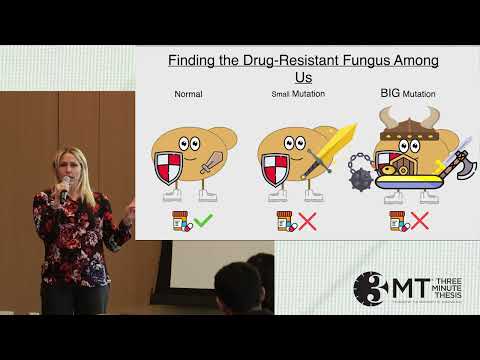
Fungal infections are becoming harder to treat as fungi rapidly evolve resistance to limited antifungal drugs. This research reveals that large, multi-gene mutations—once overlooked—are common in resistant fungi. Understanding these dramatic genetic changes is critical for developing more effective antifungal therapies.

Adele Pentland, a pterosaur palaeontologist, has named Australia’s two most complete pterosaur species and described the country’s oldest specimens. Her work supports regional palaeotourism and has reached hundreds of thousands through museums, media, and outreach. She aims to inspire future scientists, especially young girls from diverse backgrounds.
2022
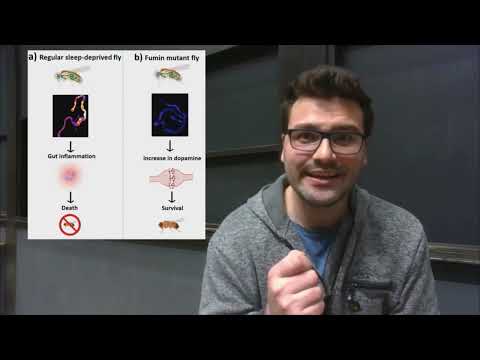
Fruit flies normally die from sleep loss due to lethal gut inflammation. But a mutant “fumin” fly, which sleeps very little, survives without inflammation. This research investigates how altered dopamine processing protects these flies, offering insight into why sleep is essential and how sleep loss contributes to disease.