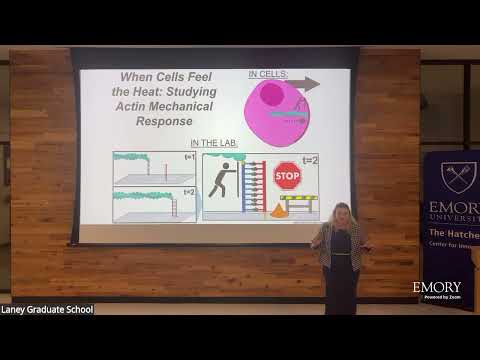
This talk highlights the importance of science communication. Despite the fear of public speaking, sharing research can directly impact lives. A three-minute research presentation led to a pediatric cancer patient receiving treatment, demonstrating how communicating science beyond the lab can translate into real-world benefits.
Adele Pentland, a pterosaur palaeontologist, has named Australia’s two most complete pterosaur species and described the country’s oldest specimens. Her work supports regional palaeotourism and has reached hundreds of thousands through museums, media, and outreach. She aims to inspire future scientists, especially young girls from diverse backgrounds.
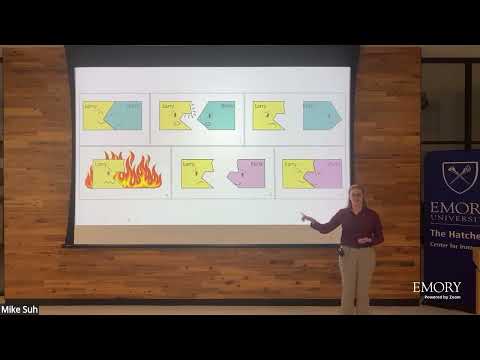
This research investigates “zombie stars” — reanimated white dwarf systems formed through stellar interactions in binary star systems. By analyzing large-scale brightness variations across the Milky Way, the work identified hundreds of these rare objects, providing new insights into stellar evolution, galactic history, and the future lifecycle of stars in our universe.
This research examines how public engagement in science is shaped not just by researchers and audiences, but by institutions, environments, and material objects. By following PhD researchers across Europe, it investigates how engagement practices emerge, why they often remain exclusionary, and how understanding these “actors” can make science communication more inclusive.