This oral history project explores how Nigerian secondary schools shape political identity, civic engagement, and national belonging across generations. Through interviews and documentary storytelling, the research reveals that schools function as microcosms of the nation, forming students’ relationships to society, politics, and migration in ways that continue long after graduation.
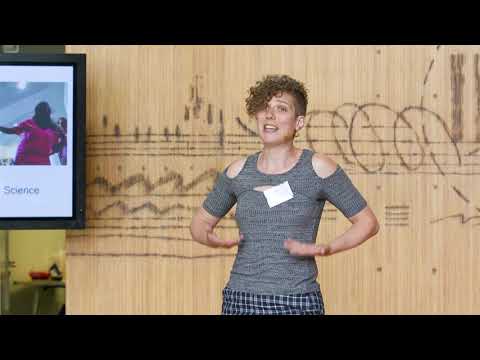
This research examines how public engagement in science is shaped not just by researchers and audiences, but by institutions, environments, and material objects. By following PhD researchers across Europe, it investigates how engagement practices emerge, why they often remain exclusionary, and how understanding these “actors” can make science communication more inclusive.