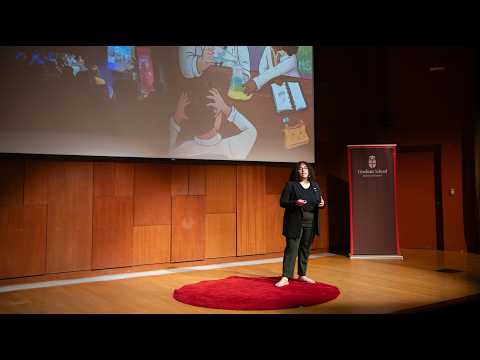
This research explores how early-life stress alters the gut microbiome and its communication with the brain, challenging the traditional "leaky gut" theory of anxiety. Using a comprehensive, lifespan-wide approach, it identifies a potential new mechanism that could enable more personalized treatments for patients who do not respond to current anxiety therapies.
2026
This research examines how social relationships influence the gut microbiome using Rwenzori Angolan colobus monkeys as a model. By combining social network analysis with microbial DNA sequencing, the study explores how beneficial bacteria spread through social groups and caregiving relationships, offering insights into the evolutionary connections between sociality and health.

This talk explores how the modernization of global diets has reduced food diversity and displaced fermented foods, contributing to rising rates of chronic disease. Drawing inspiration from traditional Japanese diets, the research focuses on fermented foods and their impact on gut health and immunity. The speaker highlights the discovery of bioactive, bioavailable cyclic dipeptides in certain Japanese fermented foods, which enhance immune cell function while reducing harmful inflammation. The work suggests that affordable, traditional fermented foods can play a powerful role in supporting immune health and preventing disease.
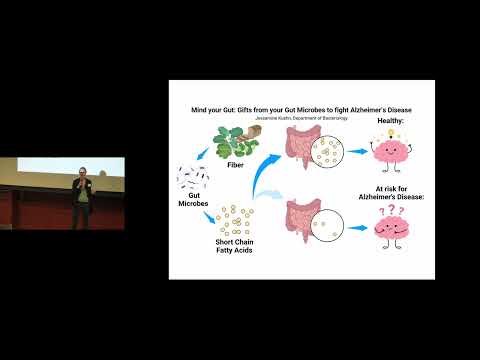
This thesis investigates how gut microbes influence brain health through short-chain fatty acids produced from dietary fibre. Measuring these compounds in stool samples, the research finds lower levels in people at risk for Alzheimer’s disease. The next phase tests whether supplementing short-chain fatty acids can prevent or treat Alzheimer’s in mouse models.
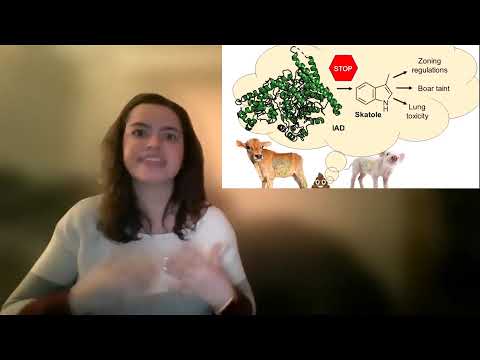
This research identifies and characterizes IAD, a gut-microbial enzyme responsible for producing skatole, a key source of fecal odor. Understanding IAD’s structure and mechanism could help agriculture reduce farm odors, prevent boar taint, and protect cattle health. X-ray crystallography is being used to design inhibitors that block skatole formation.