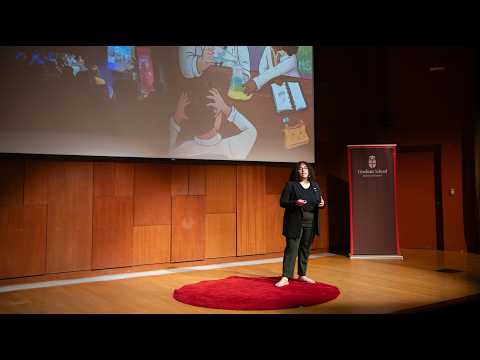
This research explores how early-life stress alters the gut microbiome and its communication with the brain, challenging the traditional "leaky gut" theory of anxiety. Using a comprehensive, lifespan-wide approach, it identifies a potential new mechanism that could enable more personalized treatments for patients who do not respond to current anxiety therapies.
This research examines how stress during adolescence produces lasting, sex-specific cognitive effects in adulthood. Using an animal model, the work replicates learning and attention deficits seen in humans and investigates cellular communication mechanisms underlying these changes, with the goal of reducing the long-term cognitive impact of adolescent stress.