This research examines how stress during adolescence produces lasting, sex-specific cognitive effects in adulthood. Using an animal model, the work replicates learning and attention deficits seen in humans and investigates cellular communication mechanisms underlying these changes, with the goal of reducing the long-term cognitive impact of adolescent stress.

This study examines cognitive reserve theory by investigating the relationship between education and cognitive performance across developed and developing countries. Using numeracy and verbal fluency measures, it finds that higher education consistently improves cognition. However, cognitive performance is largely similar across countries once education level is considered, challenging assumptions about educational quality differences.
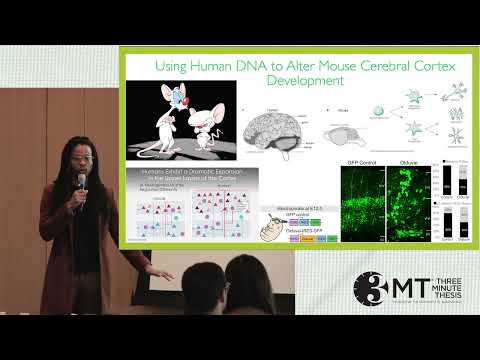
This research inserts a human-specific DNA sequence into mice to study cerebral cortex development. The modified mice show increased upper-layer neurons and glial cells, revealing how human brain evolution supports higher cognition. These findings improve understanding of human brain specialization and the origins of neurological disorders.

My research explores whether people with semantic dementia can relearn everyday words through simple, repeated online training. Patients practiced picture–word pairs daily for two months and showed strong, lasting improvements that transferred to real-life use. The findings offer hope for patients and reveal how targeted practice can reshape the brain despite disease.

This research compares three experimental models of anxiety — threat of shock, CO₂-induced panic, and speech-induced social anxiety — to reveal how each affects cognition. Findings show distinct patterns in attention, memory, and loss aversion, offering insights that could improve and better tailor treatments for anxiety disorders.