
This anthropological research investigates traditional medicinal uses of psilocybin mushrooms in Lesotho. Interviews with local healers revealed treatment practices that differ substantially from Western clinical models, including low-dose administration over extended periods and applications for epilepsy and psychosis. The findings may broaden future directions for psychedelic medicine research.
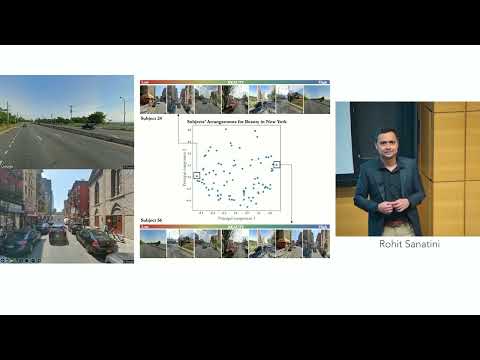
A cross-cultural study of urban beauty shows that perceptions vary widely across individuals. Using Google Street View images and participant rankings from 20 countries, the research found no shared standards of beauty and no demographic explanations. While individuals were internally consistent, beauty judgments were deeply subjective, challenging data-driven approaches to urban design.

This study examines cognitive reserve theory by investigating the relationship between education and cognitive performance across developed and developing countries. Using numeracy and verbal fluency measures, it finds that higher education consistently improves cognition. However, cognitive performance is largely similar across countries once education level is considered, challenging assumptions about educational quality differences.