
This anthropological research investigates traditional medicinal uses of psilocybin mushrooms in Lesotho. Interviews with local healers revealed treatment practices that differ substantially from Western clinical models, including low-dose administration over extended periods and applications for epilepsy and psychosis. The findings may broaden future directions for psychedelic medicine research.
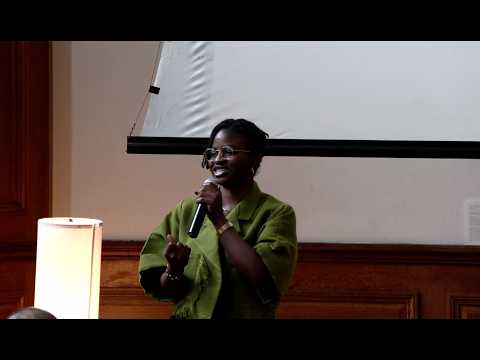
This oral history project explores how Nigerian secondary schools shape political identity, civic engagement, and national belonging across generations. Through interviews and documentary storytelling, the research reveals that schools function as microcosms of the nation, forming students’ relationships to society, politics, and migration in ways that continue long after graduation.
2026
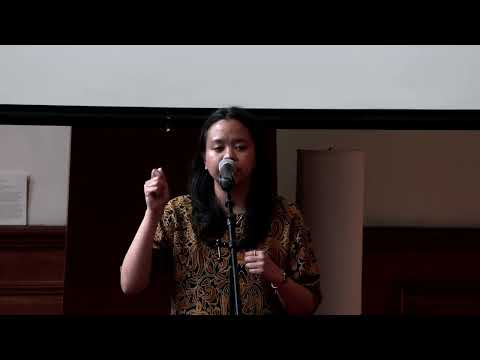
This research explores why former human traffickers in Indonesia stopped offending. Through interviews with ten ex-traffickers, the study found that marriage and parenthood often triggered moral transformation by creating empathy and shame. The findings suggest trafficking prevention should focus not only on punishment, but also on strengthening families and social bonds.

This research explores “emotional infrastructure” in cities—small, often overlooked traces like graffiti and stickers that foster connection and belonging. It argues that urban experience is shaped not just by physical structures but by shared emotional signals, urging people to break out of digital isolation and engage with the lived environment around them.

2026
This research challenges the narrative that Buddhism in US prisons primarily serves rehabilitation. It highlights the active role of incarcerated individuals in shaping religious practice and critiques simplistic contrasts between “prisoner” and “Buddhist.” By emphasizing diversity, community, and structural conditions, it calls for a more nuanced understanding of religion within carceral systems.
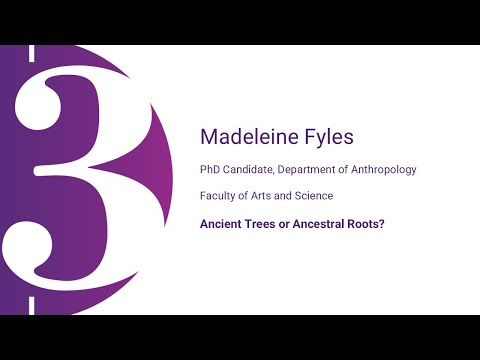
The speaker’s archaeological research in Peru reveals that the Moche incorporated Algarrobo trees into human-sacrifice rituals, possibly viewing the tree as an ancestor. Linguistic evidence, myth, and burial patterns suggest deep spiritual ties between people, trees, and memory. The work challenges modern assumptions and reconstructs ancient worldviews.
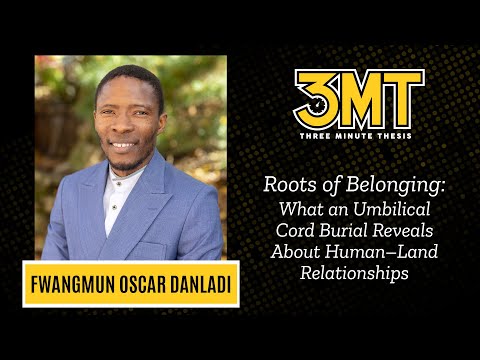
This research examines the cultural practice of burying umbilical cords in Nigeria’s Middle Belt, a region shaped by conflict and ecological crisis. Unlike Western views that treat the cord as waste, local traditions see land as a living repository of memory and identity, reframing human–land relationships as reciprocal and deeply interconnected.