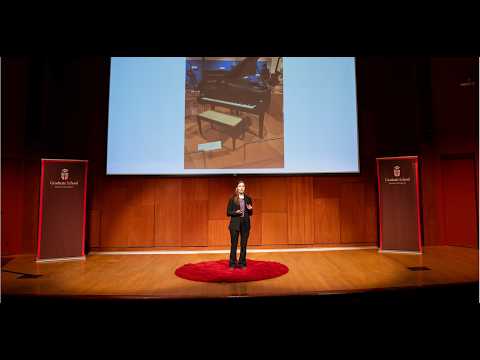
This research explores how people assign historical, emotional, cultural, and social value to musical instruments. Using the famous Pannonica Piano as a case study, it examines how relationships between people and instruments shape meaning, demonstrating that ethnomusicology studies not only music itself but also the human experiences surrounding it.

This research explores the untapped potential of locally produced Ontario wool. By processing raw fleece into textiles and studying the characteristics of different sheep breeds, the project highlights how valuable, sustainable materials are being wasted due to a lack of processing infrastructure and advocates for rebuilding local wool economies
2025
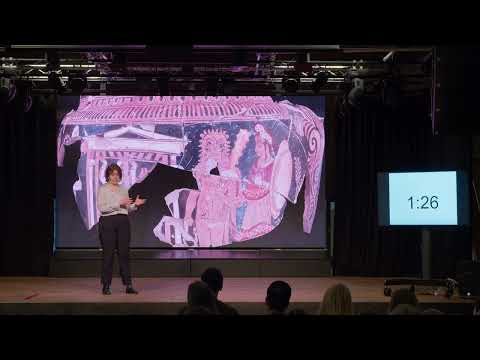
Looted artifacts lose vital historical context, limiting their research value. This project reconstructs lost histories of Greek painted vases by combining warehouse records, stylistic comparison, landscape analysis, and cultural context. Treating artifacts like detective cases allows scholars to reintegrate looted objects into archaeology without legitimizing illegal trade.
The speaker’s archaeological research in Peru reveals that the Moche incorporated Algarrobo trees into human-sacrifice rituals, possibly viewing the tree as an ancestor. Linguistic evidence, myth, and burial patterns suggest deep spiritual ties between people, trees, and memory. The work challenges modern assumptions and reconstructs ancient worldviews.