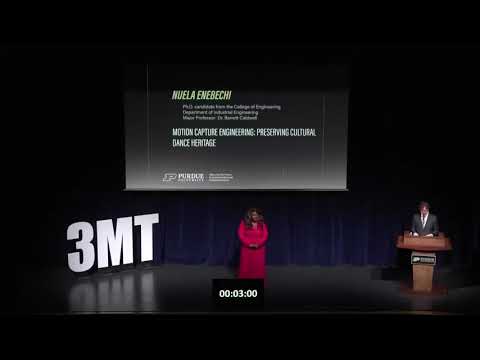
This research uses AI-powered markerless motion capture to preserve Indigenous cultural dances as digital archives. By recording thousands of movement data points, it safeguards intangible cultural heritage for future generations. The work aims to extend this technology globally, ensuring every culture has the tools to preserve its unique traditions.
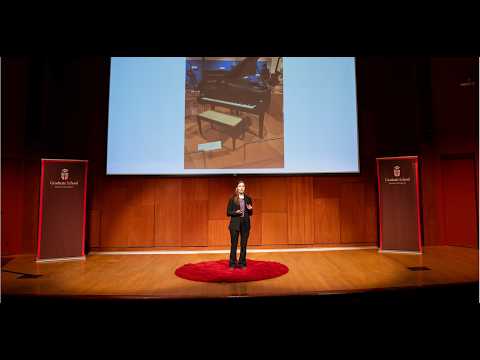
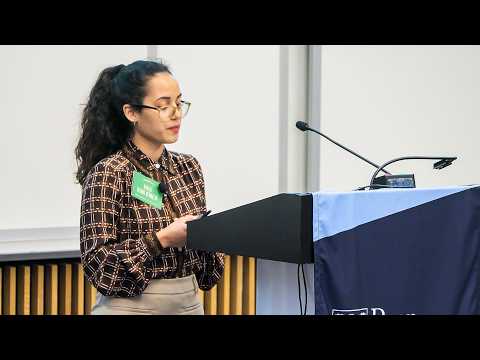
This research explores how people assign historical, emotional, cultural, and social value to musical instruments. Using the famous Pannonica Piano as a case study, it examines how relationships between people and instruments shape meaning, demonstrating that ethnomusicology studies not only music itself but also the human experiences surrounding it.

This research traces the history of Agustín Cárdenas’s sculpture Antillean Couple from Cuba and Paris to the University of Pennsylvania. By examining galleries, collectors, auctions, and institutional acquisitions, it demonstrates how private networks shape artistic value and how public art can illuminate transnational histories, postcolonial identity, and cultural circulation.

This research examines ancient Aramaic incantation bowls used to ward off demons, revealing how religious practices in late antiquity crossed Jewish, Christian, and Zoroastrian boundaries. By analyzing hundreds of artifacts and tracing their modern illicit trade, the study highlights both historical interconnectedness and contemporary ethical challenges in studying looted cultural heritage.

This research examines how Greco-Roman Egyptians engaged with the pharaonic past through funerary landscapes at Deir el-Medina. Using spatial analysis, it reveals increasing reuse of tombs for burial and habitation over time. These interactions embedded the past into daily life, showing how cultural heritage is actively negotiated within lived environments.

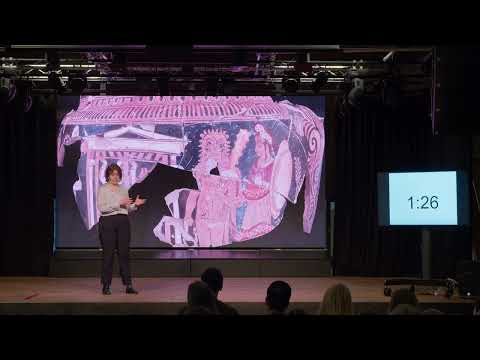
Looted artifacts lose vital historical context, limiting their research value. This project reconstructs lost histories of Greek painted vases by combining warehouse records, stylistic comparison, landscape analysis, and cultural context. Treating artifacts like detective cases allows scholars to reintegrate looted objects into archaeology without legitimizing illegal trade.

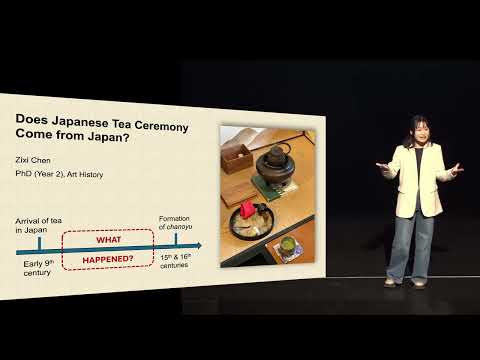
This thesis  challenges the idea that Japanese tea ceremony is purely Japanese, showing chanoyu’s roots in Chinese aesthetics, religion, and philosophy. Introduced via Buddhist monks, tea evolved from medicine to art. Recognizing these cross-cultural origins deepens understanding of chanoyu as a living tradition that connects cultures beyond national boundaries and histories.