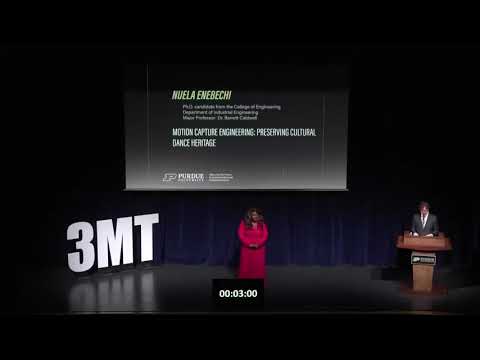
This research uses AI-powered markerless motion capture to preserve Indigenous cultural dances as digital archives. By recording thousands of movement data points, it safeguards intangible cultural heritage for future generations. The work aims to extend this technology globally, ensuring every culture has the tools to preserve its unique traditions.

This thesis examines representations of “strangeness” in The Tempest and their historical roots in medieval travel writing and early colonial exploration. By analyzing how Shakespeare constructs fear and fascination toward unfamiliar places and peoples, the research argues that strangeness is not inherent, but psychologically and culturally produced.
This research explores how sports fans understand sports-related tattoos as expressions of identity and commitment. Through interviews with tattooed fans, the study reveals that sports tattoos function as permanent, deeply personal symbols of fandom, memory, and values, extending beyond traditional consumer behaviors such as jerseys, merchandise, or attending games.
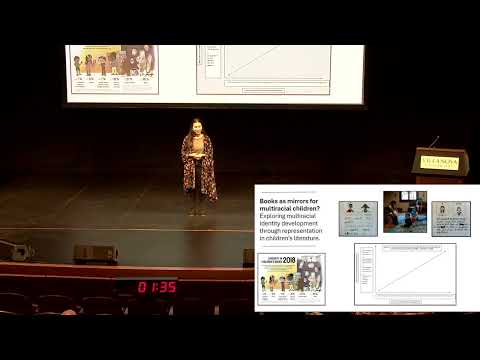
This study examines how multiracial representation in children’s literature influences identity development. Through a library reading program, observational, visual, and narrative data showed that multiracial children engage more deeply and express stronger identity integration when represented. Findings highlight the importance of inclusive storytelling in fostering belonging and supporting healthy racial identity formation.
This talk explores African pianism, a fusion of African musical traditions and Western classical piano. Tracing its origins and development, it highlights its cultural significance and growing presence in the United States. The research argues that institutional contexts shape its reception and advocates for its inclusion to diversify and enrich classical music.
This study examines how acculturation and enculturation relate to first-language loss among bilingual young adults. Higher acculturation predicts weaker first-language skills but stronger English proficiency, while enculturation predicts better retention of the first language. Multigenerational households did not significantly prevent language loss, underscoring the delicate balance between adaptation and heritage preservation.