This research examines parents’ experiences of early speech and language assessments. It highlights emotional stress, inequities in access, and lack of diverse representation in existing research. By incorporating diverse parental perspectives, the study aims to inform resources, clinical practice, and policy to improve engagement and outcomes in speech therapy.

This research explores barriers immigrants face in accessing mental health care in Canada. It identifies cultural isolation and mismatched therapeutic approaches as key challenges. The study advocates for culturally competent care, shifting responsibility to providers through ongoing learning and adaptation, to improve accessibility, trust, and outcomes for immigrant communities.

This study explores barriers faced by school social workers in urban high schools. It finds that systemic factors—particularly funding, policy, and structural constraints—rather than individual or institutional issues, limit service provision. The research highlights the need for systemic reform and improved data to support effective student services.

This qualitative study examines the emotional impact of pregnancy loss on Black women. Interviews reveal medicalized trauma, dismissal within healthcare systems, and profound isolation—framed as the Invisible Cradle Theory. The research calls for recognizing pregnancy loss within maternal mortality care and improving culturally responsive support, validation, and mental health resources.

This study explored food choices among high school students in Bosnia and Herzegovina, addressing a major lack of local data. Through surveys and interviews, it revealed that students care about health and sustainability but need involvement in shaping solutions. Meaningful change requires listening to youth and making healthier choices easier.

This research examines migrant worker exploitation in the Maldives through interviews and fieldwork. It shows how weak enforcement, informal power structures, and xenophobic narratives allow abuse to persist despite formal laws. By developing a public awareness campaign, the work aims to increase accountability and challenge misconceptions surrounding migrant labor.

This research examines whether reducing food insecurity increases physical activity among adults with high blood pressure. Using clinical trial data and interviews, it finds that coaching, physical function, and food access shape activity levels. Addressing food insecurity and physical activity together is essential for promoting equitable, heart-healthy lifestyles.

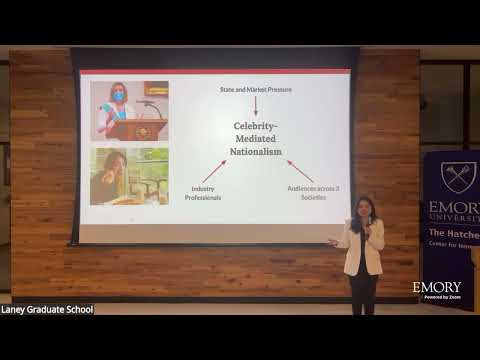
This research explores international students as cultural ambassadors and examines how educational exchange programmes generate soft power. Using interviews with British and Taiwanese students, it analyses how study abroad experiences shape perceptions, strengthen UK–Taiwan relations, and support diplomacy by fostering mutual understanding, goodwill, and long-term international cooperation.

This research examines the ethical dilemmas behind food distribution during disasters, focusing on fairness, power, and decision-making in humanitarian aid. Through interviews in Bangladesh, it aims to develop an ethical framework to guide organisations toward just and transparent food allocation, ensuring aid preserves dignity as well as saving lives.

Community health workers help marginalized communities navigate complex health systems but face burnout, low pay, and limited recognition. Through interviews across Colorado, this research reveals how systemic inequities affect CHWs and offers worker-driven recommendations to strengthen programs, policies, and workforce sustainability.