2026
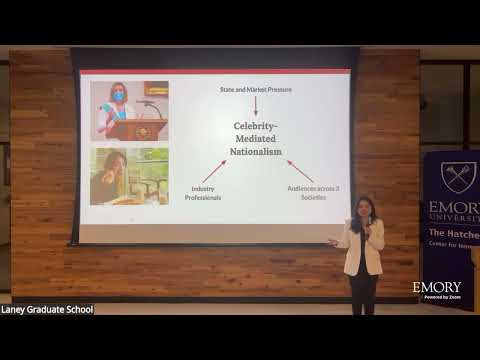
This research examines how nationalism is embedded in China's entertainment industry, where celebrities become vehicles for political messaging. Through archival research, industry interviews, and audience surveys, it shows that nationalism persists through everyday normalisation rather than belief, offering broader insights into the growing intersection of politics, popular culture, and identity.