This research traces the history of Agustín Cárdenas’s sculpture Antillean Couple from Cuba and Paris to the University of Pennsylvania. By examining galleries, collectors, auctions, and institutional acquisitions, it demonstrates how private networks shape artistic value and how public art can illuminate transnational histories, postcolonial identity, and cultural circulation.
This thesis examines representations of “strangeness” in The Tempest and their historical roots in medieval travel writing and early colonial exploration. By analyzing how Shakespeare constructs fear and fascination toward unfamiliar places and peoples, the research argues that strangeness is not inherent, but psychologically and culturally produced.
This oral history project explores how Nigerian secondary schools shape political identity, civic engagement, and national belonging across generations. Through interviews and documentary storytelling, the research reveals that schools function as microcosms of the nation, forming students’ relationships to society, politics, and migration in ways that continue long after graduation.
This research critically examines United Nations actions in Sudan and the Democratic Republic of Congo, questioning whether institutional reform is sufficient. By analyzing humanitarian aid, international law enforcement, and resource protection, it evaluates whether the UN has upheld its commitments to Africa—or whether alternative futures beyond the UN are needed.
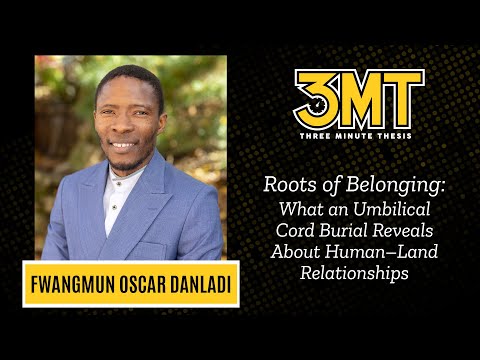
This research examines the cultural practice of burying umbilical cords in Nigeria’s Middle Belt, a region shaped by conflict and ecological crisis. Unlike Western views that treat the cord as waste, local traditions see land as a living repository of memory and identity, reframing human–land relationships as reciprocal and deeply interconnected.