This research investigates how the olfactory system of the Spanish ribbed newt adapts between aquatic and terrestrial environments. By analyzing cellular and genetic changes in the nose, the study reveals remarkable sensory plasticity, offering broader insights into nervous system flexibility and potential implications for understanding neurodegenerative diseases such as dementia.

This oral history research explores silence as a meaningful form of communication rather than an absence of speech. Through documentary interviews with family members, the project examines how silence can express fear, shame, power, and agency, challenging dominant assumptions about listening and revealing how discomfort often prevents deeper understanding and connection.

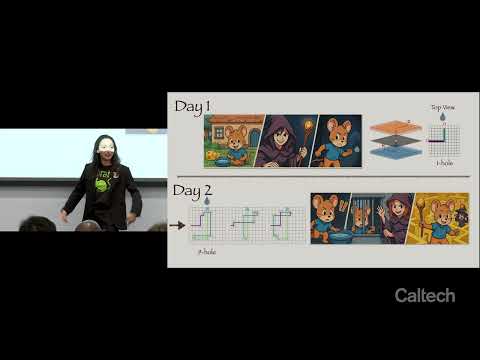
This research uses the Manhattan maze to study rapid learning and memory in mice. The study demonstrates that mice can acquire complex navigation sequences after only a few rewards, retain memories overnight, and generalize learned strategies to new mazes. The findings provide insights into few-shot learning, memory formation, and adaptive intelligence.

This research shows that pauses in information streams alter decision-making. After a break, the brain increases effort, giving greater weight to subsequent information—a “peak-after-break” effect. A computational model explains this as a performance-effort tradeoff. Findings challenge traditional theories and suggest strategic pauses can shape attention, memory, and judgment.

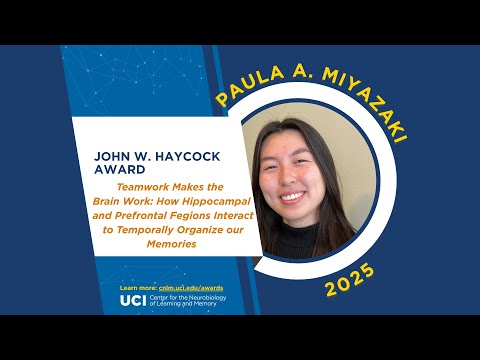
This research explores how the hippocampus and prefrontal cortex communicate to support memory for sequences of events. By understanding how these brain regions track past, present, and future, the work aims to shed light on cognitive impairments seen in disorders such as Alzheimer’s disease and depression.

This research investigates why women are more vulnerable to stress-related disorders. Using a mouse model of acute trauma, the study shows that estrogen levels in the hippocampus drive memory disruption after stress. Blocking local estrogen production protects memory, revealing sex-specific mechanisms relevant for targeted treatments.

This talk describes research on how the brain learns and remembers by recording neural activity in mice navigating virtual environments. By studying hippocampal and cortical neurons, the work reveals how the brain builds cognitive maps of space and experience, offering insights into memory loss and Alzheimer’s disease.