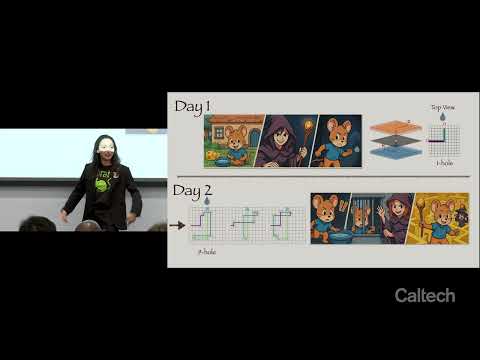
This research uses the Manhattan maze to study rapid learning and memory in mice. The study demonstrates that mice can acquire complex navigation sequences after only a few rewards, retain memories overnight, and generalize learned strategies to new mazes. The findings provide insights into few-shot learning, memory formation, and adaptive intelligence.
2022
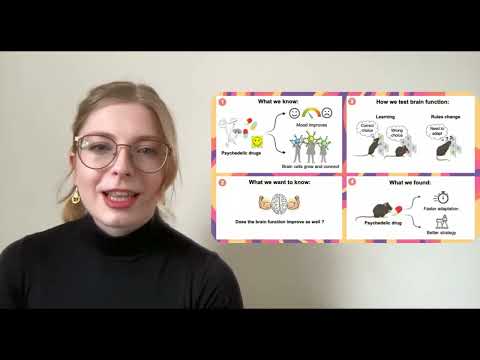
This research tests whether psychedelics improve adaptability in mice. After learning reward rules, mice with a single psychedelic treatment relearned new rules faster and used more information—learning not only from rewards but also from missed rewards. The findings suggest psychedelics enhance behavioral flexibility, offering clues for developing future mental health treatments.

2024
This research uncovers how two proteins, GluA1 and PKC, regulate behavioural flexibility in the striatum. Deleting GluA1 causes animals to get “stuck,” mirroring symptoms in OCD, addiction, and autism. A new molecular tool restores flexibility by 80% in hours, offering a potential pathway for future neuropsychiatric treatments.