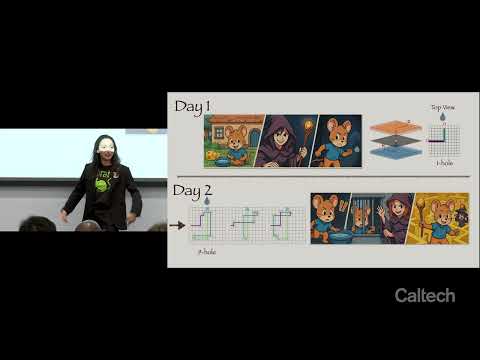
This research uses the Manhattan maze to study rapid learning and memory in mice. The study demonstrates that mice can acquire complex navigation sequences after only a few rewards, retain memories overnight, and generalize learned strategies to new mazes. The findings provide insights into few-shot learning, memory formation, and adaptive intelligence.
2026
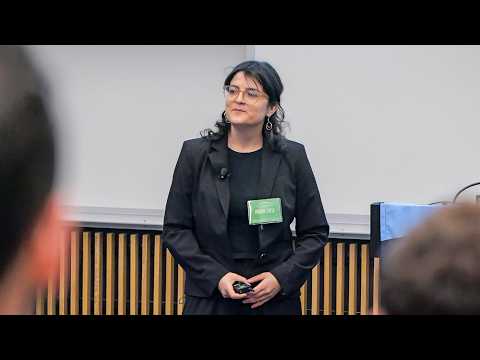
This research shows that pauses in information streams alter decision-making. After a break, the brain increases effort, giving greater weight to subsequent information—a “peak-after-break” effect. A computational model explains this as a performance-effort tradeoff. Findings challenge traditional theories and suggest strategic pauses can shape attention, memory, and judgment.
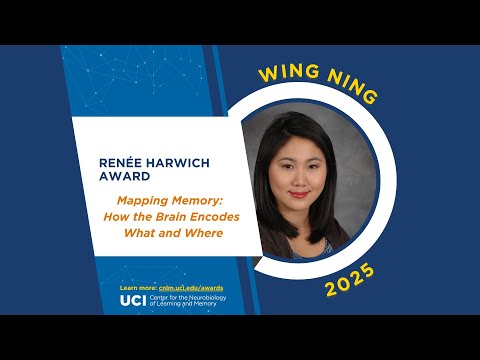
This talk describes research on how the brain learns and remembers by recording neural activity in mice navigating virtual environments. By studying hippocampal and cortical neurons, the work reveals how the brain builds cognitive maps of space and experience, offering insights into memory loss and Alzheimer’s disease.