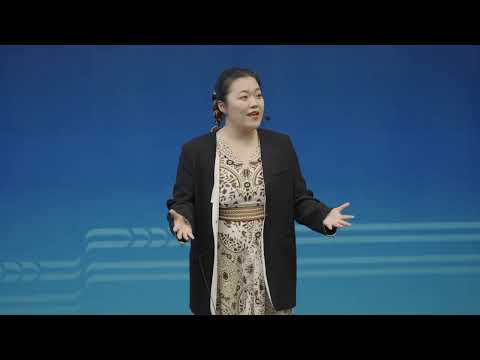
This research explores how virtual reality can develop intercultural competence in young English learners. Through an immersive VR game comparing Chinese and New Zealand cultures, children build cultural understanding, openness, and critical awareness. The project also establishes design principles to help educators create accessible intercultural learning experiences through VR.
2020
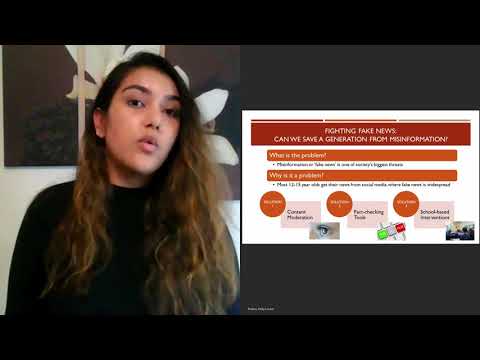
This research investigates how schools can reduce children's susceptibility to online misinformation. While content moderation and fact-checking have limitations, evidence suggests critical thinking education significantly improves children's ability to identify fake news. The project aims to develop school-based interventions that strengthen digital literacy and promote safer online behaviour.
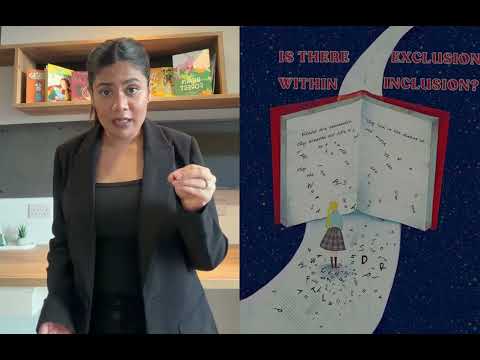
This research explores how children's literature represents neurodiversity and how those representations shape children's sense of identity and inclusion. By gathering perspectives from readers and educators, the project aims to develop a reading programme featuring authentic, diverse stories so every child can see themselves reflected in literature.
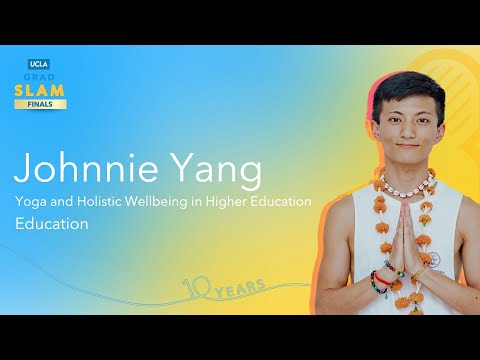
This research examines whether integrating yoga into university curricula can improve student well-being and academic success. Through a credit-bearing freshman seminar combining yoga practice, meditation, and coursework, the study evaluates changes in holistic well-being and academic performance, aiming to address the growing mental and physical health challenges facing students.
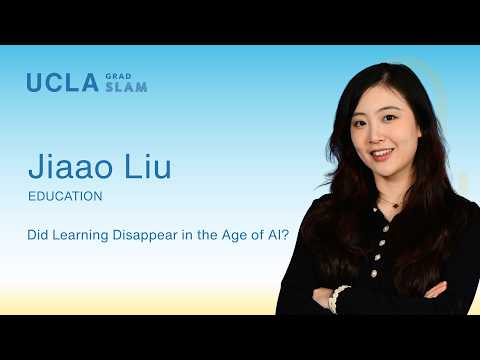
This research examines how multilingual college students use AI writing tools and whether these tools support or hinder learning. The findings suggest that learning outcomes depend on how AI is used. When employed as a scaffold for feedback and reflection rather than a shortcut, AI can enhance writing development and critical thinking.
2026
This research investigates how reliance on AI systems affects human cognition and reasoning. Using concepts from cognitive offloading, the study compares AI-assisted and independent problem solving, measuring verification behavior, reasoning depth, and decision confidence. The work explores whether increasingly capable AI tools may unintentionally reduce critical thinking and human expertise.
This research explores how generative AI can create personalized reading materials based on autistic children’s special interests. Using AI-generated stories tailored to individual passions, the study examines effects on engagement and story retelling, suggesting that personalized, strength-based educational tools may improve reading experiences and accessibility for neurodivergent learners.
2025
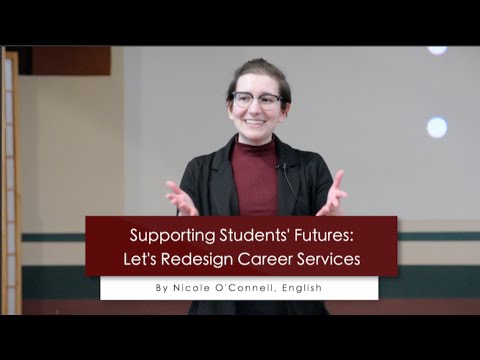
This research examines how universities communicate career advice and support services to students. Through surveys and focus groups at UMass Amherst, the study identifies student needs for less stressful, more inclusive, and more integrated career guidance. The findings inform policy and curriculum improvements aimed at better supporting student futures.
2025
This research examines how a high-performing charter school in a low-income community fosters college and career readiness (CCR). Through classroom observations and interviews, it identifies growth mindset, adaptive teaching, and collaborative learning as key practices. Findings suggest readiness is a schoolwide culture that can help close postsecondary opportunity gaps.
This study demonstrates a strong relationship between social skills and academic performance among university students. Surveying 107 students, it finds that empathy, assertiveness, teamwork, and problem-solving significantly support academic success. Dynamic, technology-enhanced, and democratic teaching environments foster both intellectual and emotional development.