This research teaches AI to understand and generate the sense of touch by combining visual information with high-resolution tactile data. The technology enables realistic digital textures, improves online shopping, enhances virtual experiences, and creates accessible tactile graphics for blind and low-vision users, making AI more inclusive and human-centred.

This research investigates how AI-generated dating profiles influence romantic attraction. An experimental study found that people were less willing to date someone they believed had used AI than someone who received similar help from a friend, suggesting AI-assisted dating may undermine authenticity and reduce social appeal despite its growing popularity.
This research examines how multilingual college students use AI writing tools and whether these tools support or hinder learning. The findings suggest that learning outcomes depend on how AI is used. When employed as a scaffold for feedback and reflection rather than a shortcut, AI can enhance writing development and critical thinking.

This research explores how generative AI can create personalized reading materials based on autistic children’s special interests. Using AI-generated stories tailored to individual passions, the study examines effects on engagement and story retelling, suggesting that personalized, strength-based educational tools may improve reading experiences and accessibility for neurodivergent learners.

Generative AI chatbots are predictive systems that generate human-like responses without true understanding. Using large datasets, they model word relationships similarly to weather forecasting. While effective, they can produce convincing inaccuracies, or “hallucinations.” This research emphasizes interpreting AI realistically—as probabilistic tools with limitations—rather than attributing human cognition to them.

This research investigates the limitations of AI-driven enterprise resource planning systems in multinational corporations. Using mixed methods, it examines ethical risks, data integrity, training gaps, and system migration challenges. The study aims to help organisations implement ERP systems more effectively, reducing financial losses while critically evaluating whether AI delivers its promised efficiency.
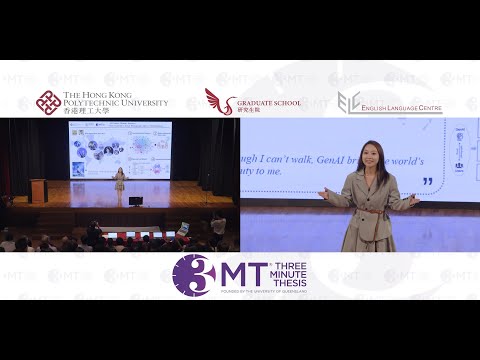
This research examines how AI-generated travel photography influences user engagement and visit intention. Using social media analysis, interviews, surveys, and fsQCA, it shows that emotionally immersive AI images can transform imagination into travel desire, offering destination marketers a powerful, low-cost alternative to traditional tourism promotion.

As generative AI reshapes the advertising industry, this research shows creativity is not replaced but redistributed. Through interviews and immersive fieldwork, a four-stage framework—readiness, co-creativity, validation, and execution—reveals how humans and AI can collaborate to amplify creative potential rather than diminish it.