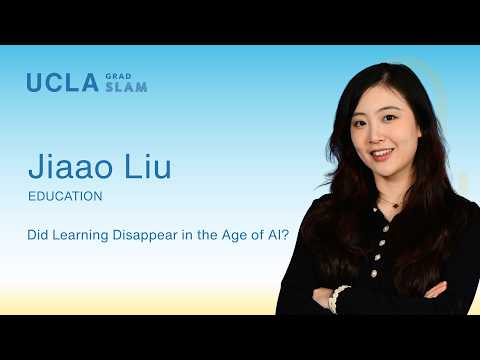
This research examines how multilingual college students use AI writing tools and whether these tools support or hinder learning. The findings suggest that learning outcomes depend on how AI is used. When employed as a scaffold for feedback and reflection rather than a shortcut, AI can enhance writing development and critical thinking.

This research develops an Indigenous-informed video game that teaches environmental stewardship through reciprocal relationships with the land. Drawing on community knowledge and storytelling, the game challenges extractive, colonial approaches common in popular games by making ecological balance, listening, and responsibility essential for survival and success.

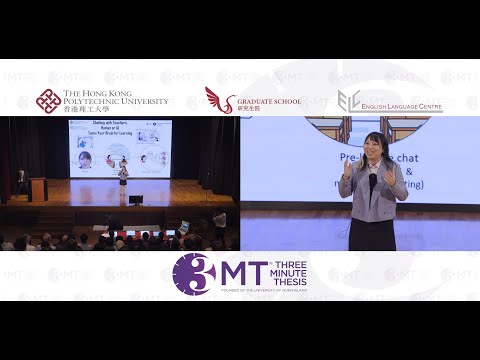
This neuroscience study shows that brief pre-lecture interactions significantly improve learning. Students who chatted with either a human teacher or an AI tutor before watching a video lecture performed better and showed greater brain synchrony in MRI scans. Social interaction—human or artificial—primes the brain for more effective learning.

This research shows that pedagogical innovation significantly enhances university students’ socio-emotional development. Surveying 156 engineering students, it finds that active, inclusive, and technology-enhanced teaching explains nearly two-thirds of emotional skill development. Human-centered innovation deepens learning and fosters empathy, resilience, and well-being.

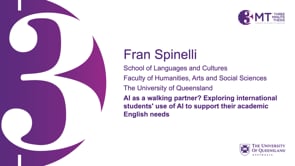
This research explores how over 500 international students use AI tools like ChatGPT while navigating university study in a second or third language. Findings reveal AI can reduce overwhelm and support learning, but also risk undermining confidence and skill development. The study guides universities toward better language support, policy, and pedagogy.