This research develops nanobubble-enhanced ultrasound imaging as an accessible alternative to MRI for cancer diagnosis. Tiny gas-filled nanoparticles amplify ultrasound signals and improve image quality, particularly in prostate cancer. The technology could reduce diagnostic delays, lower costs, and provide high-quality medical imaging to more patients worldwide.
2025
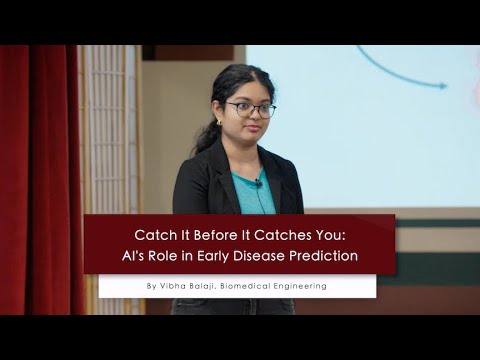
This research uses artificial intelligence to predict the progression of Alzheimer’s disease and cancer using medical imaging data. By analyzing brain scans, tumor scans, and treatment responses, AI models can forecast disease development and treatment outcomes, enabling earlier intervention, more personalized care, and improved quality of life for aging populations.
2026
This research investigates how sign language experience reshapes the brain’s visual system. MRI studies show expanded hand-processing regions and reorganised face areas in both deaf and hearing signers, even when learning occurs in adulthood. The findings highlight neural plasticity and reveal how visual language transforms perception and brain organisation.
This talk presents a new noninvasive MRI method to visualize the brain’s immune response. By imaging inflammation without injections or contrast agents, the research offers new insights into Alzheimer’s disease, ALS, and traumatic brain injury, helping researchers better understand how brain inflammation contributes to neurological disorders.
2025
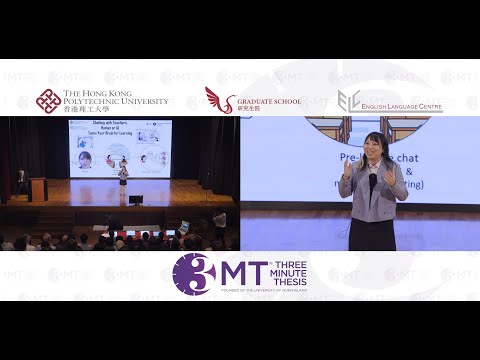
This neuroscience study shows that brief pre-lecture interactions significantly improve learning. Students who chatted with either a human teacher or an AI tutor before watching a video lecture performed better and showed greater brain synchrony in MRI scans. Social interaction—human or artificial—primes the brain for more effective learning.
This study tests whether CBD genuinely reduces anxiety in people with social anxiety disorder. Fifty participants will receive either pharmaceutical-grade CBD or a placebo before a stressful mock interview. Researchers will measure subjective and physiological anxiety and scan participants’ brains to detect CBD’s effects, providing the first clinical evidence for or against its effectiveness.