This research develops nanobubble-enhanced ultrasound imaging as an accessible alternative to MRI for cancer diagnosis. Tiny gas-filled nanoparticles amplify ultrasound signals and improve image quality, particularly in prostate cancer. The technology could reduce diagnostic delays, lower costs, and provide high-quality medical imaging to more patients worldwide.

This research examines how physicians' imaging-ordering strategies affect emergency department efficiency. Using electronic health records and an instrumental variable approach based on random physician assignment, the study finds that discretionary batching of imaging tests increases length of stay by 65% and doubles imaging utilization, ultimately reducing patient flow and safety.

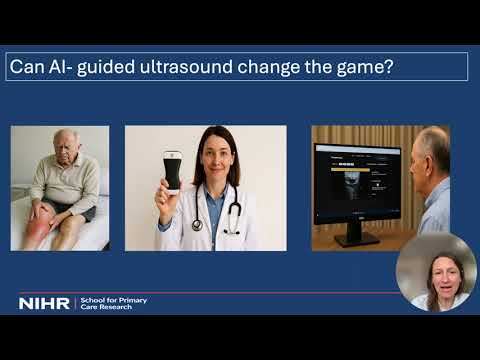
This research investigates whether artificial intelligence can help non-specialist clinicians diagnose deep vein thrombosis using AI-guided handheld ultrasound devices. By enabling faster point-of-care diagnosis in GP surgeries, the project aims to reduce hospital referrals, improve accessibility for vulnerable patients, and help healthcare systems manage increasing clinical demand more efficiently.

This research develops engineered ultrasonic reporters that allow ultrasound imaging to detect molecular activity rather than only anatomical structure. By targeting biological signals associated with cancer progression and cellular communication, the work aims to distinguish aggressive disease earlier and improve precision medicine through real-time, noninvasive monitoring of underlying cellular behavior.

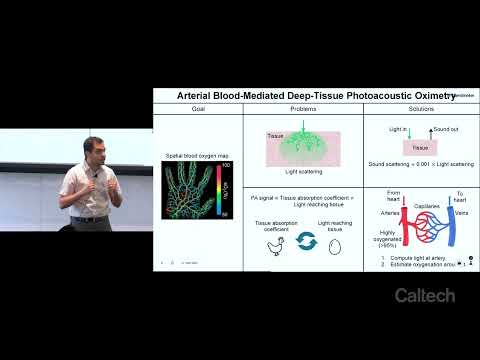
This research improves photoacoustic imaging, a technique that uses light-generated sound waves to visualize tissue oxygenation deep inside the body. By calibrating measurements using highly oxygenated arterial blood, the method overcomes longstanding accuracy limitations and avoids skin-tone bias, potentially improving early tumor detection and non-invasive monitoring of tissue health.