
This research explores how autoimmune disease affects identity in young adults. Interviews with 25 New Zealanders revealed that diagnosis reshapes identity, relationships with the body, and perceptions of disability. The findings suggest that supporting identity—not just treating disease—could improve health behaviours, wellbeing, and long-term outcomes for people with autoimmune conditions.
2025
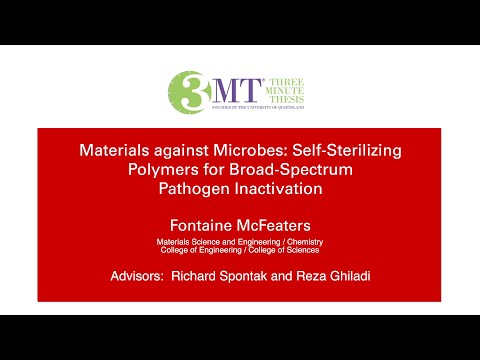
This research develops self-sterilising polymer coatings that become highly acidic when exposed to moisture, rapidly destroying harmful bacteria such as MRSA and E. coli. Designed for hospitals, classrooms, and other high-contact surfaces, these materials could reduce infections without harsh chemicals, helping prevent the spread of antibiotic-resistant bacteria.

2026
This 3MT® presentation describes how artificial intelligence can help non-specialist clinicians diagnose deep vein thrombosis using AI-guided handheld ultrasound devices. By enabling faster point-of-care diagnosis in GP surgeries, the project aims to reduce hospital referrals, improve accessibility for vulnerable patients, and help healthcare systems manage increasing clinical demand more efficiently.
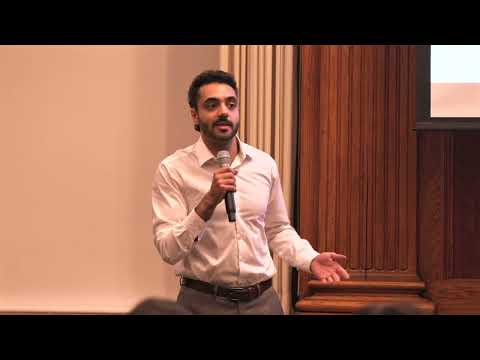
This thesis uses randomized polling to show that Iranians’ trust in government is driven primarily by practical benefits—healthcare, economic stability, and safety—not ideology. Human rights concerns and identity factors predict little. The findings reveal a global shift toward transactional trust, posing challenges for defending democratic values and civic institutions.