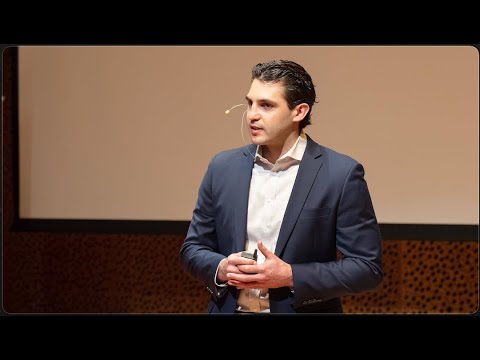
This research investigates how bacterial biofilms alter the mechanical properties of infected skin to improve microneedle-based drug delivery. By measuring tissue stiffness, structural integrity, and puncture resistance, it provides the evidence needed to design microneedles that can effectively penetrate biofilms, deliver antibiotics directly, and improve treatment of chronic wound infections.
2025
This research develops self-sterilising polymer coatings that become highly acidic when exposed to moisture, rapidly destroying harmful bacteria such as MRSA and E. coli. Designed for hospitals, classrooms, and other high-contact surfaces, these materials could reduce infections without harsh chemicals, helping prevent the spread of antibiotic-resistant bacteria.
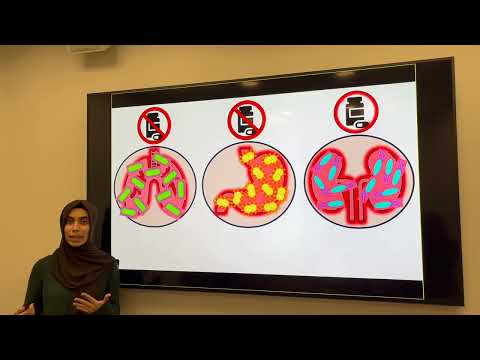
This research investigates how bacteria develop resistance to antibiotics, a growing global health threat. By identifying resistant bacteria and analysing how they chemically modify antibiotics, the work aims to uncover resistance mechanisms. These insights are essential for preserving antibiotic effectiveness and safeguarding treatments against life-threatening infections.