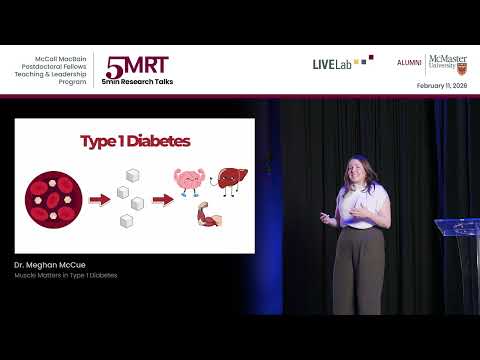
Type 1 diabetes affects skeletal muscle, accelerating age-related strength loss and slowing recovery from injury. This research examines whether standard exercise guidelines improve muscle health and metabolic function in individuals with type 1 diabetes. A 12-week study measures fitness, glucose control, and muscle biology to determine optimal exercise strategies.
2026
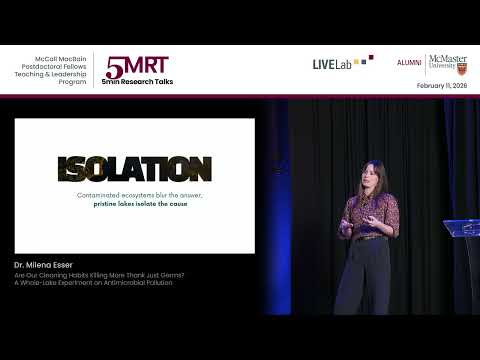
Quaternary ammonium compounds (QACs) are common disinfectants that enter waterways through household products. Researchers are studying their ecosystem effects using a whole-lake experiment in Canada’s Experimental Lakes Area. By examining microbial communities and other organisms, the project aims to determine how these persistent chemicals affect aquatic ecosystems and inform environmental regulation.
2026
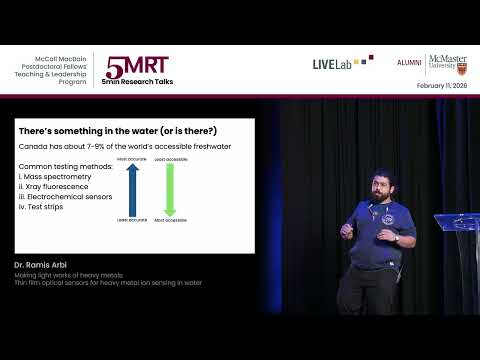
Heavy metals in drinking water pose serious health risks, yet current testing methods often require laboratories or lack accuracy. This research develops optical sensors called optodes that use light-responsive dyes to detect contaminants. The goal is a portable, real-time device capable of accurately measuring heavy metals like lead in water.
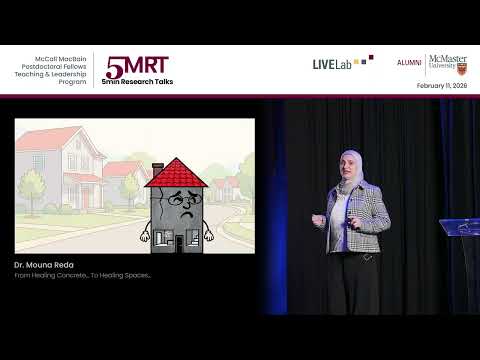
My research develops self-healing concrete by embedding polymer capsules containing healing agents that release when cracks form. Using experiments and computational modeling, the work identifies optimal capsule designs that survive concrete mixing but rupture during cracking. The goal is more durable infrastructure while advancing civil engineering’s broader mission of creating resilient and accessible spaces.
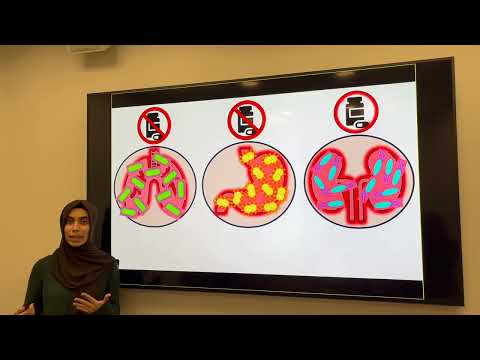
This research investigates how bacteria develop resistance to antibiotics, a growing global health threat. By identifying resistant bacteria and analysing how they chemically modify antibiotics, the work aims to uncover resistance mechanisms. These insights are essential for preserving antibiotic effectiveness and safeguarding treatments against life-threatening infections.