
This research explores how autoimmune disease affects identity in young adults. Interviews with 25 New Zealanders revealed that diagnosis reshapes identity, relationships with the body, and perceptions of disability. The findings suggest that supporting identity—not just treating disease—could improve health behaviours, wellbeing, and long-term outcomes for people with autoimmune conditions.
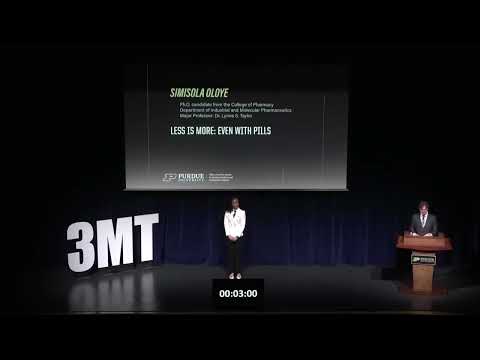
This research improves drug formulations by developing predictive tools for amorphous solid dispersions that increase drug solubility while allowing higher drug loading in a single tablet. The work aims to reduce pill burden, improve medication adherence, lower pharmaceutical development costs, and make treatments more effective for patients with chronic illnesses.

This research seeks blood-based biomarkers that predict which people infected with Chagas disease will later develop life-threatening cardiomyopathy. By analysing immune proteins in blood samples from Bolivia, it aims to enable earlier diagnosis, targeted monitoring, and preventative treatment, offering a model for predicting and preventing many chronic diseases before irreversible damage occurs.
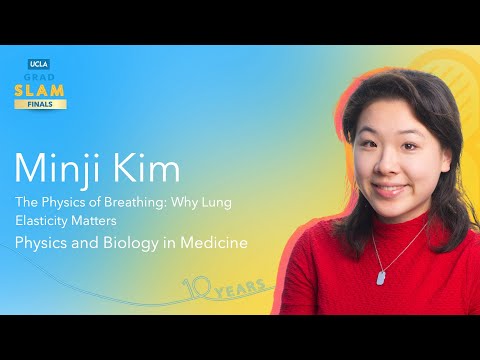
This research develops a physics-based method for measuring lung elasticity from medical imaging to predict which emphysema patients will benefit from lung valve treatment. By creating detailed elasticity maps, the work aims to improve treatment selection, enhance patient outcomes, and provide new quantitative tools for assessing lung health.
2026
This study explores anemia as a potential risk factor for dementia, finding that nearly half of dementia patients also exhibit low hemoglobin levels, often undiagnosed. By highlighting links between blood health and cognitive decline, the research advocates earlier detection and a multidisciplinary approach to reduce dementia’s growing societal and healthcare burden.

2026
This research challenges the one-size-fits-all approach to obesity by comparing childhood- and adult-onset cases. Through physiological testing before and after weight loss, it examines differences in inflammation, metabolism, and fitness. Findings aim to support personalised treatments, improving patient outcomes and reducing the broader healthcare burden associated with obesity.

Chronic diseases exhaust the body’s CD8 T cells, weakening their ability to fight infections and cancer. This research identifies CD7 as a key driver of T-cell exhaustion. Removing CD7 keeps T cells active, boosts cytokine production, and improves control of tumors and viruses—offering a promising new immunotherapy target.