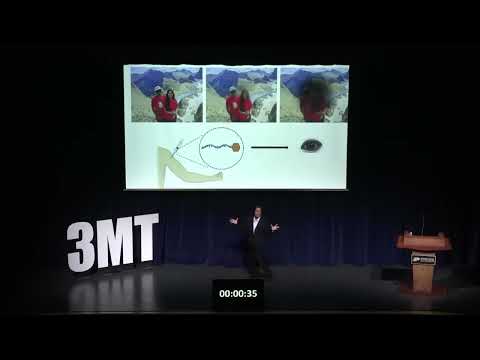
This research develops a targeted anti-VEGF therapy for wet age-related macular degeneration that can be injected under the skin rather than directly into the eye. In animal studies, the drug successfully reached the eye and reduced abnormal blood vessel growth, offering a safer, cheaper, and more convenient treatment for preventing blindness.

This research improves drug formulations by developing predictive tools for amorphous solid dispersions that increase drug solubility while allowing higher drug loading in a single tablet. The work aims to reduce pill burden, improve medication adherence, lower pharmaceutical development costs, and make treatments more effective for patients with chronic illnesses.

This research investigates a new targeted treatment strategy for kidney cancer by inhibiting the cancer-promoting protein PIM1 while enhancing TRAIL-mediated apoptosis. Together with the FDA-approved drug ONC201, this combination restores cancer cells' ability to self-destruct, offering a promising therapeutic approach now being evaluated in preclinical studies.

This research develops orally administered nanoparticles that target the lymphatic system to treat lupus and osteoporosis simultaneously. By delivering drugs directly to affected tissues while avoiding the bloodstream, the approach reduces toxicity, suppresses inflammatory and bone-damaging genes, and offers a more effective strategy for treating these complex chronic diseases.

This research investigates whether the diabetes drug dapagliflozin (DAPA) can be repurposed to treat metabolic dysfunction-associated steatotic liver disease (MASLD). Using laboratory models, it examines fat accumulation and NHE1 ion channel function, aiming to develop a cost-effective treatment for two closely linked metabolic diseases with one existing medicine.

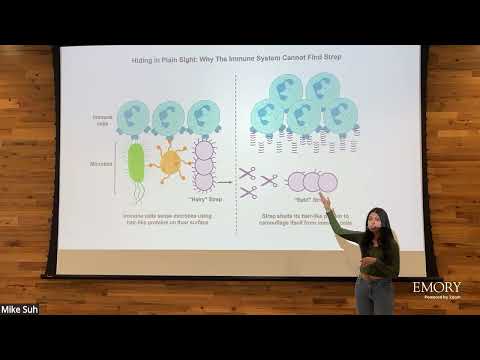
This research uses a high-throughput screening platform called EpiScan to identify HIV peptides that bind strongly to MHC molecules and appear on infected cell surfaces. By discovering these immune-visible targets, the work aims to improve detection and elimination of hidden HIV reservoirs, supporting the development of future HIV therapies.

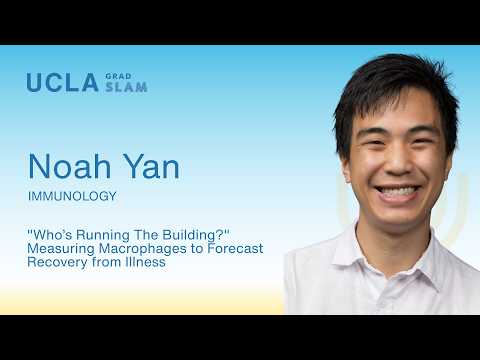
This research investigates macrophages, immune cells that regulate infection, tissue repair, and cancer responses. Through laboratory experiments and machine-learning models, it aims to predict macrophage function across different diseases and patients. The work could improve prognosis, guide treatments, evaluate drug safety, and forecast recovery following major illnesses and injuries.

This research develops targeted radiopharmaceutical therapies for HER2-positive cancers. By attaching radioactive isotopes to trastuzumab, treatment delivers precise radiation to cancer cells, overcoming drug resistance. The work includes creating practical drug kits and aims to improve cancer outcomes by replacing non-specific therapies with highly accurate, targeted interventions.

This research develops a hybrid drug for dry age-related macular degeneration, combining anti-inflammatory and antioxidant mechanisms. By targeting both inflammation and oxidative stress, it aims to slow disease progression more effectively than existing treatments. Laboratory models test whether the combined therapy outperforms individual or co-administered components in preserving retinal function.

This research develops methods to insert radioactive carbon isotopes into drug molecules, allowing scientists to track how medicines move, transform, and are eliminated in the body. By using catalysts to precisely label drugs, researchers can better understand drug behaviour and accelerate the development of safer, more effective medicines.