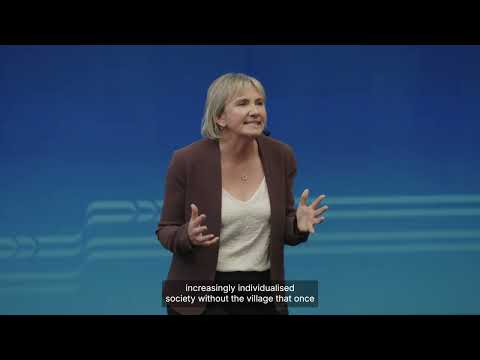
This research examines how maternal self-efficacy develops during matrescence, the transition to motherhood. Through interviews with new mothers and analysis of the SPACE programme, it shows that confidence in parenting grows not from perfection but from supportive environments, highlighting the need to rebuild community support for new mothers.

This research investigates how declining ovarian health influences brain aging and dementia risk. Using genetically engineered mouse models, it identifies inflammation and metabolic stress in the hippocampus associated with low egg quality, suggesting that treatments targeting menopause, hormonal imbalance, or insulin resistance could help protect cognitive health and prevent dementia.

This research identifies UCH-L1 as a promising blood biomarker directly linked to human eggs, offering a new way to measure ovarian reserve. A simple blood test could improve fertility assessment, detect premature ovarian aging earlier, and provide valuable insights into broader aspects of women's health, including cardiovascular health, cognitive aging, and longevity.

2025
This research examines how changing reproductive laws affect access to IVF following the Alabama embryo personhood ruling. Using interviews, observation, and policy analysis, it reveals how legal uncertainty threatens fertility treatment, reproductive autonomy, and healthcare access, while informing policies that better protect reproductive rights and family-building opportunities.

This research develops orally administered nanoparticles that target the lymphatic system to treat lupus and osteoporosis simultaneously. By delivering drugs directly to affected tissues while avoiding the bloodstream, the approach reduces toxicity, suppresses inflammatory and bone-damaging genes, and offers a more effective strategy for treating these complex chronic diseases.

This research develops orally administered nanoparticle therapies for metronomic chemotherapy in ovarian cancer. By delivering smaller drug doses directly to tumours over extended periods, it aims to reduce side effects, overcome drug resistance, improve patient quality of life, and make long-term cancer treatment easier and more effective.

2026
This research investigates whether weight loss from the GLP-1 drug semaglutide includes loss of muscle mass. Using an obesity mouse model and direct muscle measurements, the study found significant muscle loss in females but not males. The findings highlight important sex differences and the need to evaluate body composition, not just weight loss.

This research develops a robotic system capable of reproducing real-world knee motions and ACL injury mechanisms in human cadaver knees. The platform enables realistic testing of injury-prevention technologies, improves understanding of ACL rupture biomechanics, and may help reduce injury risk, particularly among women who experience higher ACL injury rates.

This research investigates the genetic mechanisms underlying polycystic ovary syndrome (PCOS), a condition affecting one in ten women and the leading cause of female infertility. By studying thousands of genetic variants across multiple cell types, the project aims to identify the biological causes of PCOS and develop targeted treatments.

This research investigates whether blood flow restriction training can improve postpartum recovery by enhancing the benefits of everyday activities. By integrating low-intensity exercise into routine childcare, household tasks, and walking, the study aims to increase strength, endurance, and well-being while reducing pain and fatigue in new mothers.