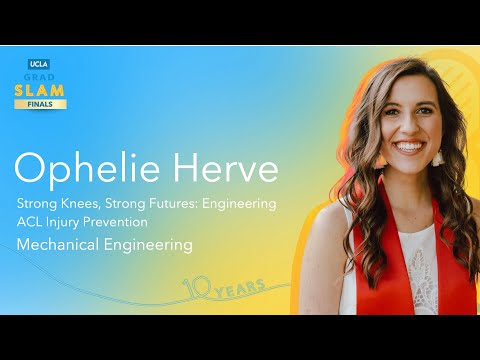
This research develops a robotic system capable of reproducing real-world knee motions and ACL injury mechanisms in human cadaver knees. The platform enables realistic testing of injury-prevention technologies, improves understanding of ACL rupture biomechanics, and may help reduce injury risk, particularly among women who experience higher ACL injury rates.
2026
This research investigates why supersonic aircraft engines fail under turbulent atmospheric conditions. Using high-performance supercomputer simulations, the study models airflow disruptions around supersonic engines to identify early warning signs of instability. The work aims to improve engine reliability and help revive safe, efficient supersonic passenger air travel.
2025
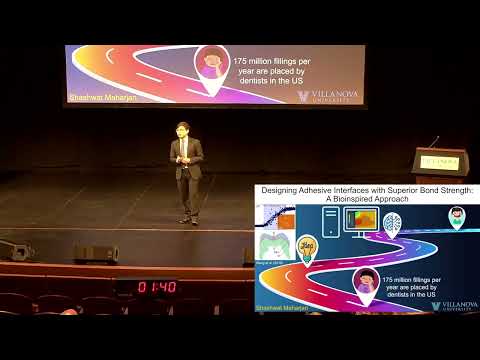
This research addresses the short lifespan of dental fillings by drawing inspiration from natural tooth structure. Using physics-based simulations, it designs materials with improved bonding and durability. The work has broader applications in aerospace, implants, and protective materials, demonstrating how bio-inspired engineering can enhance performance across multiple high-stress environments.
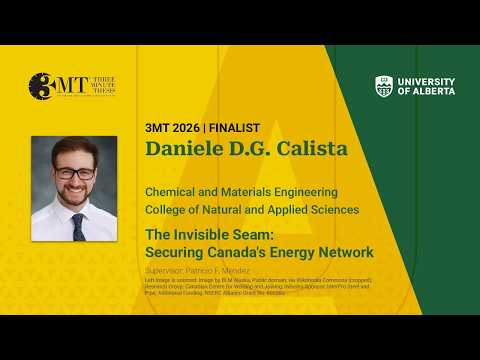
This research improves electric resistance welding by modelling heat transfer and weld formation physics. By identifying and controlling the weld point location, it replaces trial-and-error with predictive engineering rules. The work enables stronger, safer pipelines, supporting the adoption of advanced materials needed for reliable infrastructure in a clean energy future.